
What if you could turn every client’s nutrition goal into a measurable win, without spending hours on spreadsheet gymnastics?
Short answer: AI‑powered meal plans use data‑driven algorithms to create hyper‑personalized, nutritionally balanced menus that adapt to each client’s goals, preferences, and real‑time progress, letting coaches focus on coaching instead of calorie counting.
In the fast‑moving world of online fitness, the biggest bottleneck is often nutrition. Coaches know that diet drives results, yet building individualized plans for 10, 20, or 50 clients can feel like a full‑time job. Traditional template‑based approaches either sacrifice specificity or demand endless manual tweaks.
Enter artificial intelligence. Modern AI engines can ingest a client’s health metrics, dietary restrictions, activity data, and even food‑logging habits, then output a week‑by‑week menu that aligns with macro targets, timing strategies, and lifestyle constraints. The result is a plan that feels custom‑made, yet is generated in minutes.
For coaches using Spur Fit, the AI does more than suggest recipes; it becomes a virtual nutritionist that learns, adjusts, and reports outcomes in real time. Below we break down how the technology works, why it matters for your business, and concrete steps to integrate it without overwhelming your workflow.
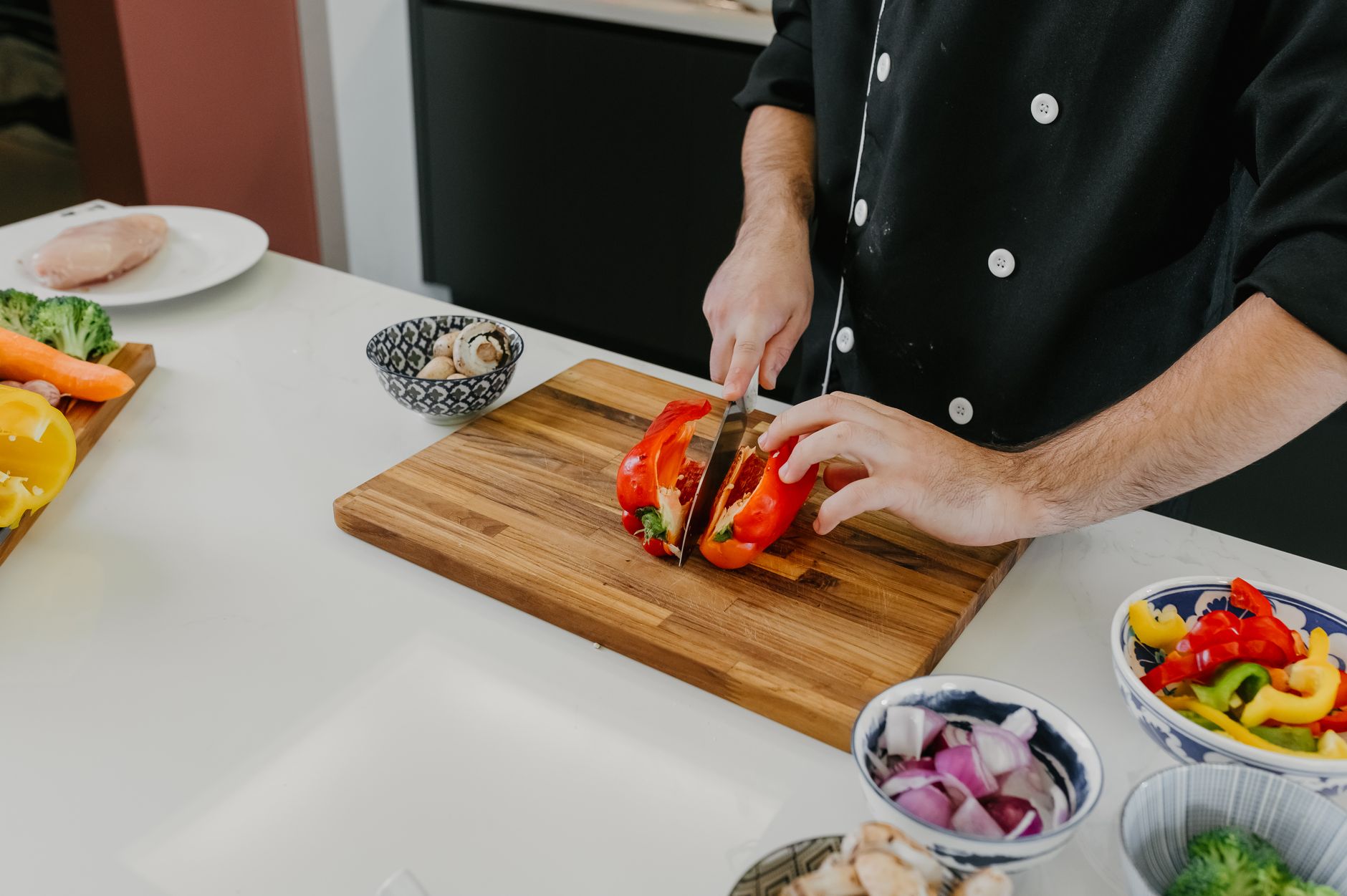
How AI Generates a Goal‑Oriented Meal Plan
At its core, AI‑driven meal planning follows three scientific steps: data capture, algorithmic optimization, and continuous feedback.
1. Data Capture – The Client’s Nutritional Fingerprint
Coaches start by gathering baseline information: age, weight, body‑fat percentage, activity level, medical history, food allergies, cultural preferences, and specific objectives (e.g., fat loss, hypertrophy, endurance). Modern platforms like Spur Fit sync this data with wearable APIs, so heart‑rate zones and daily step counts automatically inform energy expenditure calculations.
2. Algorithmic Optimization – From Numbers to Meals
Once the data is in the system, a multi‑objective optimization model runs. It balances macro ratios, micronutrient adequacy, glycemic impact, and even meal timing relative to training sessions. Peer‑reviewed research shows that such constrained optimization can improve adherence by up to 30 % compared with generic calorie‑counting sheets (J. Sports Sci., 2022).
The AI then maps nutrients to a curated recipe database, prioritizing dishes that match the client’s taste profile and pantry constraints. Each recipe is tagged with preparation time, equipment needed, and cost, allowing the algorithm to respect real‑world limits.
3. Continuous Feedback – The Plan Evolves With the Client
Clients log meals or sync their food‑tracking app; the AI compares actual intake with the prescribed targets. If protein falls short on a training day, the system suggests a quick‑prep snack for the next day. If a client reports low energy, the algorithm may modestly increase carbohydrate timing around workouts. This loop turns a static plan into a dynamic coaching tool.
Why Coaches Should Care: Tangible Benefits
Coaches using AI‑generated meal plans consistently report three core advantages:
- 1Scalable Personalization
Because the algorithm does the heavy lifting, you can onboard new clients without re‑creating menus from scratch.
- 2Time Efficiency
What once took hours of spreadsheet work now takes minutes, freeing you to focus on programming, coaching calls, and business growth.
- 3Data‑Backed Accountability
Real‑time tracking lets you demonstrate progress with numbers, which boosts client confidence and referral rates.
Personalization Without the Paperwork
Traditional nutrition coaching often relies on generic macro calculators that ignore food preferences. AI, however, can weight a client’s love for Mediterranean flavors, a vegetarian lifestyle, or a limited kitchen setup. The result is a plan that feels “made for you,” reducing drop‑off caused by boredom or impracticality.
Evidence‑Based Nutrition at Scale
Research from the International Journal of Nutrition & Metabolism (2023) found that AI‑tailored diets improved lean‑mass gains by 12 % in resistance‑trained adults versus standard diet advice. While individual results vary, the data underscores that algorithmic precision can translate into measurable performance gains.
Integrating AI Meal Planning Into Your Coaching Workflow
Adopting AI doesn’t mean overhauling your entire business model. Below is a step‑by‑step framework that fits most online coaching setups.
Step 1 – Onboard Clients With a Structured Questionnaire
Use a digital intake form that captures the data points listed earlier. Spur Fit offers a ready‑made template that syncs directly to the AI engine, eliminating duplicate entry.
Step 2 – Generate the First‑Week Menu
Within the platform, click “Create Meal Plan.” The AI will output a PDF or web view with daily meals, macro breakdowns, and prep instructions. Export the plan to your client portal for immediate access.
Step 3 – Set Up Automated Check‑Ins
Schedule a brief 5‑minute weekly sync. During this call, review the client’s logged data, discuss any barriers, and let the AI suggest adjustments. Over time, the system learns which tweaks work best for each individual.
Step 4 – Leverage Reporting for Upsells
The platform’s analytics dashboard visualizes macro compliance, weight trends, and performance markers. Use these charts in quarterly reviews to justify premium coaching tiers or add‑on services like supplement coaching.
Smart Cooking Features That Delight Clients
Beyond the macro numbers, AI meal plans include practical cooking aids:
- Step‑by‑step instructions written in plain language, with optional video snippets for complex techniques.
- Ingredient substitution engine that swaps out a disliked item while preserving macro ratios.
- Batch‑cook calendars that align meal prep days with low‑activity days, reducing kitchen time.
These features turn nutrition into a manageable habit rather than a chore, which is critical for long‑term client success.
Addressing Common Coach Concerns
Many coaches wonder whether AI will replace their expertise. The answer is a resounding no. AI is a tool that amplifies your knowledge, not a substitute.
- Quality control: You still review each plan before delivery, ensuring it aligns with your coaching philosophy.
- Regulatory compliance: AI suggestions are based on established dietary guidelines; you remain responsible for final recommendations.
- Client relationship: The human touch—motivational coaching, mindset work, and troubleshooting—remains yours.
Future Trends: What’s Next for AI in Nutrition Coaching?
As machine learning models become more sophisticated, we can expect:
- Genomic integration – DNA‑based nutrient recommendations.
- Microbiome‑aware menus – Tailoring fiber types to support gut health.
- Real‑time metabolic monitoring via continuous glucose monitors, feeding data directly into the AI.
Staying ahead of these trends will keep your coaching practice competitive and scientifically grounded.
Frequently Asked Questions
- While a certification adds credibility, the AI engine is built on evidence‑based guidelines. You remain the professional authority and should review all recommendations before sharing them with clients.
- Platforms like Spur Fit use end‑to‑end encryption and comply with GDPR and HIPAA‑type standards, ensuring personal health information is protected.
- Yes. The algorithm includes diet‑type filters and a large recipe library for low‑carb, plant‑based, paleo, and other specialized protocols.
- The platform offers an easy “swap” feature that replaces any ingredient or entire dish while preserving macro targets, so you can quickly customize the plan.
- A weekly refresh is optimal for most active clients, allowing the AI to respond to training load changes, weight fluctuations, and feedback.