
Turn your love of food into a competitive edge for your online coaching business.
Short answer: Adding a reputable nutrition certification gives fitness coaches scientific credibility, attracts food‑focused clients, and unlocks higher‑ticket services—all while keeping the coaching workflow efficient with tools like Spur Fit.
Online fitness coaching is no longer just about reps and cardio; the market is demanding a holistic approach that marries movement with the pleasure of eating. The "Fitness for Foodies" niche thrives on this blend, but without solid nutritional knowledge you risk offering generic advice that falls flat. A targeted certification fills that gap, providing evidence‑based guidelines you can translate into tasty, results‑driven programs.
Beyond client satisfaction, a nutrition credential signals professionalism to peers, insurers, and platforms that prioritize qualified practitioners. In a crowded digital arena, that signal can be the difference between a fleeting trial and a long‑term client relationship.
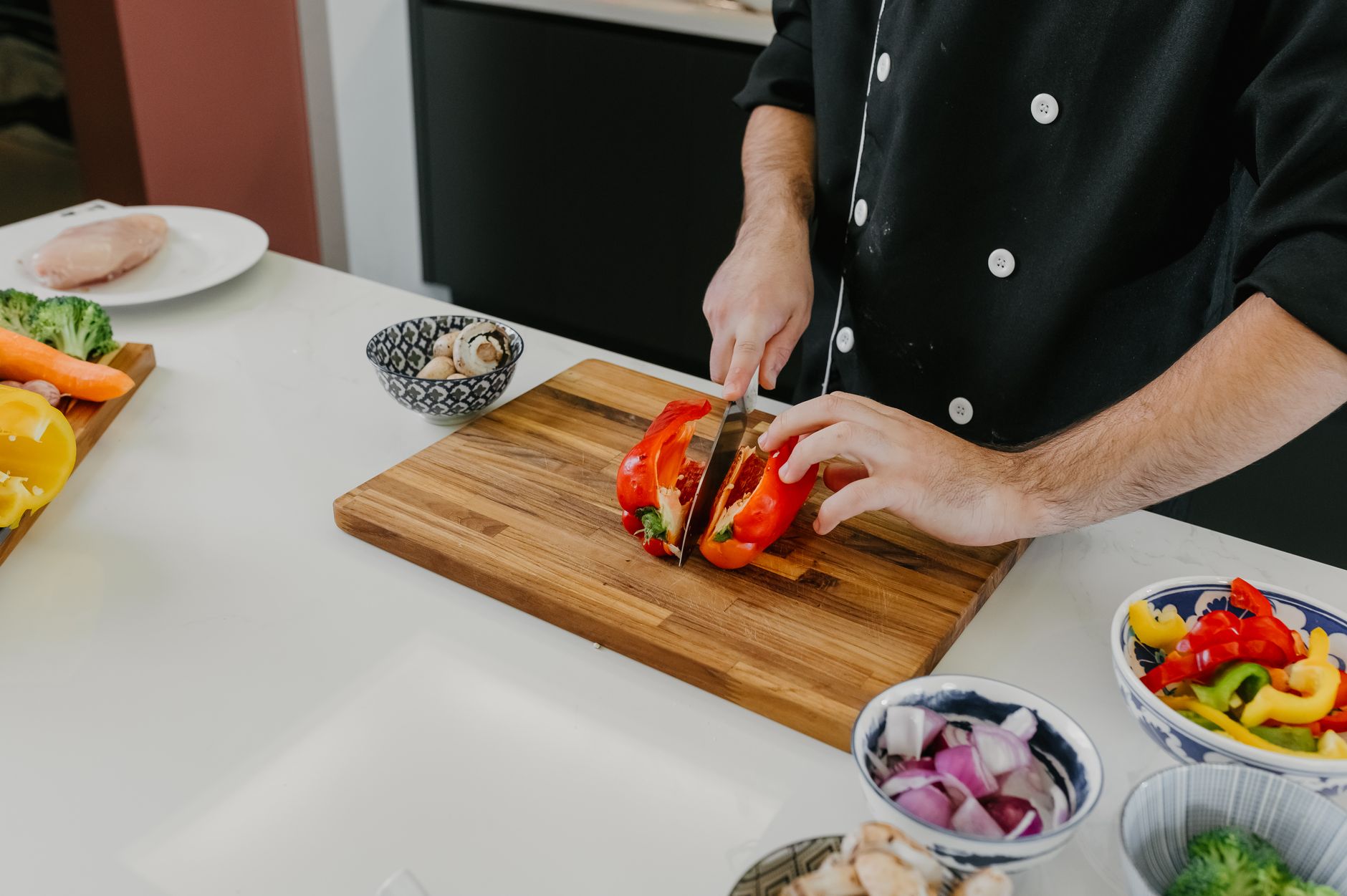
Why nutrition expertise for fitness coaches is a game‑changer
The Foodie‑Fitness Paradox
Food lovers often assume they must sacrifice flavor for fitness, leading to restrictive diets that are unsustainable. A 2022 survey by the Academy of Nutrition and Dietetics revealed that 72 % of adults struggle to create balanced meals, and the frustration is even higher among those who view food as a cultural or emotional anchor.
When you can demystify macro‑distribution, suggest flavorful swaps, and still hit calorie targets, you become the coach who lets clients indulge responsibly. This builds loyalty and reduces churn—coaches using this approach report higher client retention rates.
Scientific backing improves outcomes
Research published in the *Journal of Sports Sciences* shows that athletes who receive combined exercise‑and‑nutrition counseling improve body composition 1.5‑times faster than those who train alone. The same study notes a measurable boost in perceived energy levels, which translates to better adherence and lower dropout.
How a nutrition certification builds credibility and trust
Demonstrating expertise
Clients search for "best fitness coach for foodies" and quickly scan bios for recognizable credentials. Displaying a certification from a respected body (e.g., ACSM, Precision Nutrition, or the Institute for Integrative Nutrition) signals that you have mastered the science of macronutrients, micronutrient timing, and dietary patterning.
Beyond marketing, the certification equips you with tools to conduct proper nutritional assessments, spot deficiencies, and design meal plans that respect cultural preferences. This depth of service is what separates a hobbyist from a professional.
Integrating with Spur Fit
Spur Fit’s client‑management suite lets you embed nutrition assessments directly into intake forms, attach certified meal‑plan templates, and track food logs alongside workout metrics. The platform’s AI can suggest recipe modifications that align with the client’s macro goals, saving you hours of manual spreadsheet work.
Specialized certifications for niche markets
Why go niche?
Foodie clients often have a dietary identity—vegan, gluten‑free, paleo, low‑FODMAP, or keto. A general nutrition certificate gives you a solid foundation, but a niche credential lets you speak the language of those sub‑communities, increasing relevance and referral potential.
Grand View Research projects the global plant‑based market to exceed $77 billion by 2030, underscoring the commercial upside of plant‑based expertise. Similarly, the gluten‑free market is expected to grow at a CAGR of 9.5 % through 2027, driven by both medical necessity and lifestyle choice.
- 1Plant‑Based Nutrition Certification
Offered by the American College of Sports Medicine and the Center for Nutrition Studies, this program covers protein quality, micronutrient adequacy, and meal‑planning for athletes who avoid animal products.
- 2Certified Gluten‑Free Practitioner
Provided by the Gluten Intolerance Group, it teaches label reading, cross‑contamination prevention, and performance‑focused gluten‑free carbohydrate sources.
- 3Paleo for Health Professionals
Focuses on ancestral eating patterns, nutrient timing, and how to modify paleo protocols for endurance versus strength athletes.
Applying niche knowledge in practice
When a client requests a vegan high‑protein plan, you can pull from your Plant‑Based Certification to recommend lentil‑based meals, quinoa bowls, and fortified tofu, while ensuring iron and B12 intake meet sport‑specific demands. The result is a seamless experience that feels custom‑crafted rather than generic.
Continuing education: staying ahead of the nutritional curve
Why lifelong learning matters
Nutrition science evolves rapidly—new research on gut microbiome, personalized nutrition, and sustainable food systems emerges each year. Maintaining an active CEU (Continuing Education Unit) schedule keeps your recommendations current and protects you from outdated advice that could harm clients.
| Certification | Renewal Frequency | Typical CEU Requirement |
|---|---|---|
| ACSM Certified Nutrition Specialist | 2 years | 20 hours |
| Precision Nutrition Level 1 | 1 year | 10 hours |
| Institute for Integrative Nutrition | Annual | 15 hours |
Spur Fit simplifies CEU tracking by logging completed courses and notifying you when renewal dates approach, ensuring you never miss a deadline.
Practical steps to integrate nutrition coaching into your online business
- 1Choose the right certification
Assess your target market. If 40 % of your leads identify as vegan, prioritize a plant‑based credential.
- 2Update your service packages
Add a "Nutrition Blueprint" tier that includes a detailed macro analysis, weekly meal‑plan PDFs, and a 15‑minute food‑log review.
- 3Leverage technology
Use Spur Fit’s AI‑driven meal‑plan generator to create personalized recipes in seconds, then embed them in your client portal.
- 4Showcase results
Collect anonymized before‑and‑after data (body composition, energy scores) and display them in case studies on your website.
- 5Maintain compliance
Stay within your scope of practice; refer medical conditions to registered dietitians when needed.

Frequently Asked Questions
- Most reputable certifications require a high‑school diploma and a passing score on a competency exam; a full degree is not mandatory, though it can shorten the learning curve.
- Programs range from 8‑week self‑paced courses to 6‑month intensive tracks. Most coaches finish a foundational credential in 2‑3 months of part‑time study.
- Yes. Coaches who bundle nutrition services typically charge 15‑30 % more per client, reflecting the added value and expertise.
- You can provide general dietary guidance worldwide, but be cautious about country‑specific regulations; always include a disclaimer that you are not a licensed dietitian.
- Spur Fit integrates nutrition assessments, AI‑generated meal suggestions, and progress tracking into a single dashboard, reducing admin time and improving client engagement.