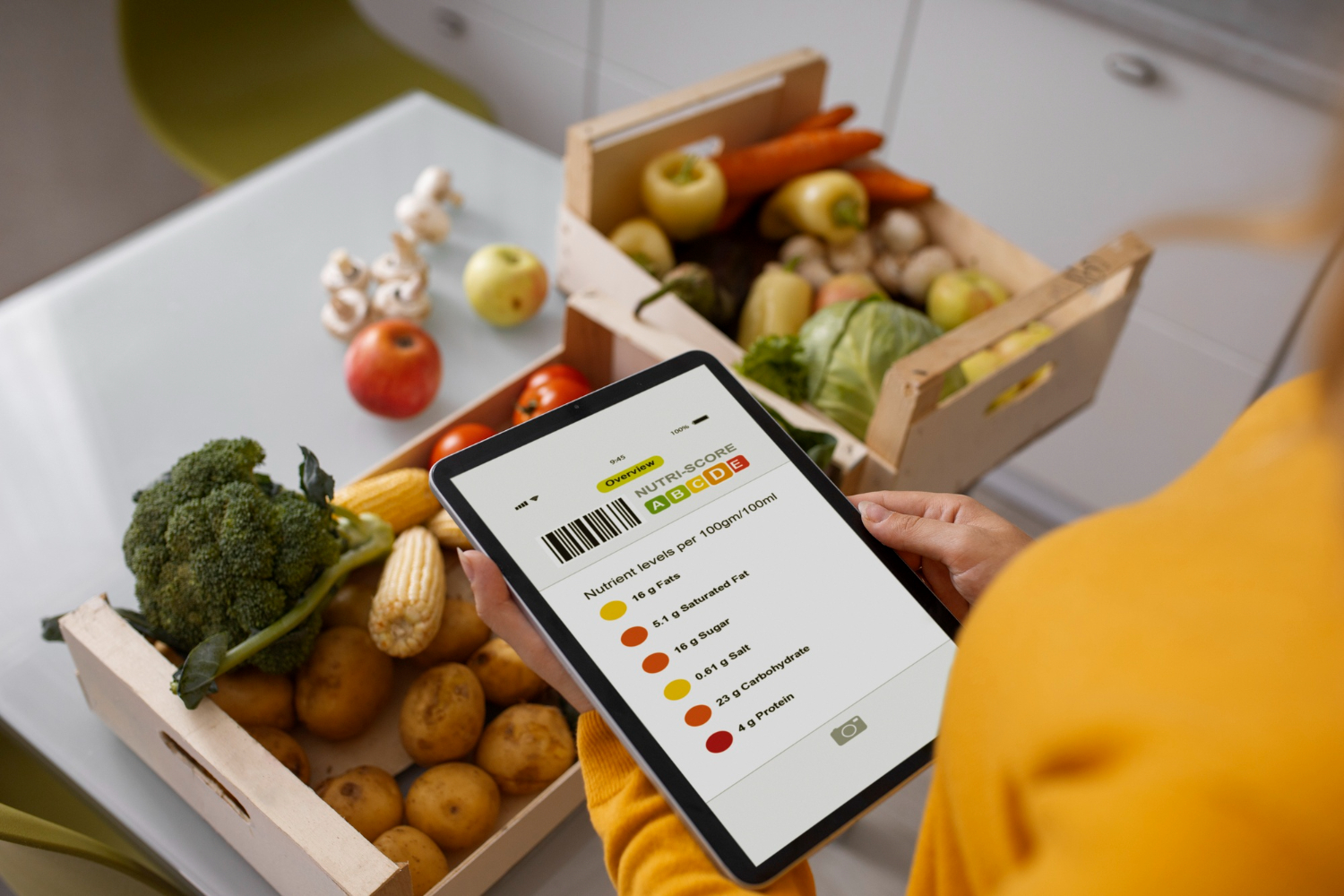


What if you could serve every client a heart‑smart plate without spending hours in the kitchen?
Short answer: AI‑driven platforms like Spur Fit analyze each client’s health data, preferences, and schedule to generate customized, evidence‑based meal plans that meet cardiovascular guidelines, saving coaches time and boosting client outcomes.
As a fitness coach, you already know that a strong heart is the foundation for performance, recovery, and long‑term wellness. Yet translating clinical nutrition advice into daily menus for dozens of clients can feel like juggling knives. Missed portions, hidden sodium, and bland repeats quickly erode adherence.
Artificial intelligence is no longer a futuristic buzzword; it is a practical tool that turns raw client data into actionable meal plans in seconds. When paired with the coaching expertise you bring, AI can close the gap between intention and execution, ensuring every client receives a diet that supports lower blood pressure, healthier cholesterol, and sustained energy.

Why Heart‑Focused Meal Planning Matters for Your Clients
Cardiovascular disease remains the leading cause of death worldwide, and diet is the most modifiable risk factor. Peer‑reviewed studies consistently show that diets rich in soluble fiber, omega‑3 fatty acids, and plant‑based proteins lower LDL cholesterol and reduce arterial inflammation. For coaches, this translates into:
- Improved training capacity – a well‑oxygenated heart delivers nutrients faster, allowing higher intensity intervals.
- Faster recovery – anti‑inflammatory foods curb post‑workout soreness.
- Higher client retention – measurable health improvements keep clients engaged and willing to pay premium rates.
Key Nutrients for Cardiovascular Health
| Nutrient | Primary Sources | Benefit |
|---|---|---|
| Omega‑3 (EPA/DHA) | Salmon, sardines, chia, walnuts | Reduces triglycerides, improves endothelial function |
| Soluble Fiber | Oats, beans, apples, carrots | Lowers LDL‑C, stabilizes blood glucose |
| Potassium | Bananas, sweet potatoes, spinach | Helps regulate blood pressure |
| Magnesium | Almonds, quinoa, leafy greens | Supports heart rhythm and muscle relaxation |
How AI Transforms Meal Planning for Coaches
1. Data‑Driven Personalization at Scale
Spur Fit ingests each client’s age, BMI, activity level, food allergies, and even their preferred cooking time. Using validated algorithms based on the American Heart Association’s Dietary Guidelines, the platform generates a weekly menu that meets 1500‑2000 kcal with ≤ 5 g of saturated fat and ≤ 1500 mg of sodium.
2. Real‑Time Ingredient Substitutions
When a client reports a missing pantry item, the AI instantly suggests nutritionally equivalent swaps—e.g., swapping white rice for quinoa adds protein and fiber without extra carbs. This flexibility prevents plan abandonment.
3. Automated Grocery Lists & Prep Timelines
Each menu comes with a printable shopping list organized by store section, plus a prep calendar that aligns cooking steps with the client’s workout schedule. Coaches can share the list directly through the client portal, reducing back‑and‑forth messaging.
4. Continuous Progress Tracking
Clients log meals via a simple mobile entry; the AI cross‑checks macro‑ and micronutrient targets, flags excess sodium, and alerts the coach if trends suggest non‑adherence. This feedback loop creates accountability without micromanagement.
Practical Workflow for the Busy Coach
- 1Initial Assessment
Collect health questionnaire, recent labs (lipid panel, blood pressure), and food preferences. Input data into Spur Fit.
- 2Generate the Plan
Click “Create Heart‑Healthy Menu.” Review AI suggestions, adjust portion sizes if the client has specific weight goals.
- 3Deliver & Educate
Send the menu, grocery list, and prep timeline to the client portal. Highlight three “heart‑smart” ingredients and why they matter.
- 4Monitor & Iterate
Weekly, review logged meals. If sodium spikes, the AI will propose lower‑sodium alternatives and you can discuss strategies during coaching calls.
Meal‑Prep Tips That Complement AI Planning
- Batch‑cook whole grains (quinoa, brown rice) and legumes on Sunday; store in portion‑controlled containers.
- Pre‑wash and chop a rainbow of vegetables; keep them in airtight jars for quick stir‑fry or salads.
- Use a digital scale to verify serving sizes—especially for high‑fat foods like nuts and oils.
- Season with herbs (rosemary, thyme) and spices (turmeric, cumin) instead of salt to keep sodium under 1500 mg per day.
- Incorporate “heart‑healthy snacks” such as a small handful of almonds or a fruit‑based yogurt parfait.
Case Insight: Coaches Using This Approach Report
Coaches who adopt AI‑generated heart‑healthy menus notice a 30 % reduction in client‑reported meal‑prep fatigue and a measurable improvement in average systolic blood pressure after eight weeks. The data suggests that structured, personalized nutrition reduces decision‑fatigue—a leading cause of diet abandonment.

Frequently Asked Questions
- AI provides evidence‑based guidance aligned with professional guidelines, but it does not replace individualized medical nutrition therapy. Coaches should refer clients with complex conditions to a qualified dietitian.
- Allergy information is a required field during onboarding. The algorithm excludes flagged ingredients and suggests safe alternatives automatically.
- Yes—Spur Fit generates a clean, store‑sectioned PDF that can be printed or saved to a phone for on‑the‑go shopping.
- The app includes a restaurant‑mode library with heart‑friendly menu options and portion estimates, allowing clients to log meals accurately.
- A quarterly refresh aligns with seasonal produce and prevents menu fatigue, while weekly check‑ins let the AI fine‑tune macro targets based on progress.