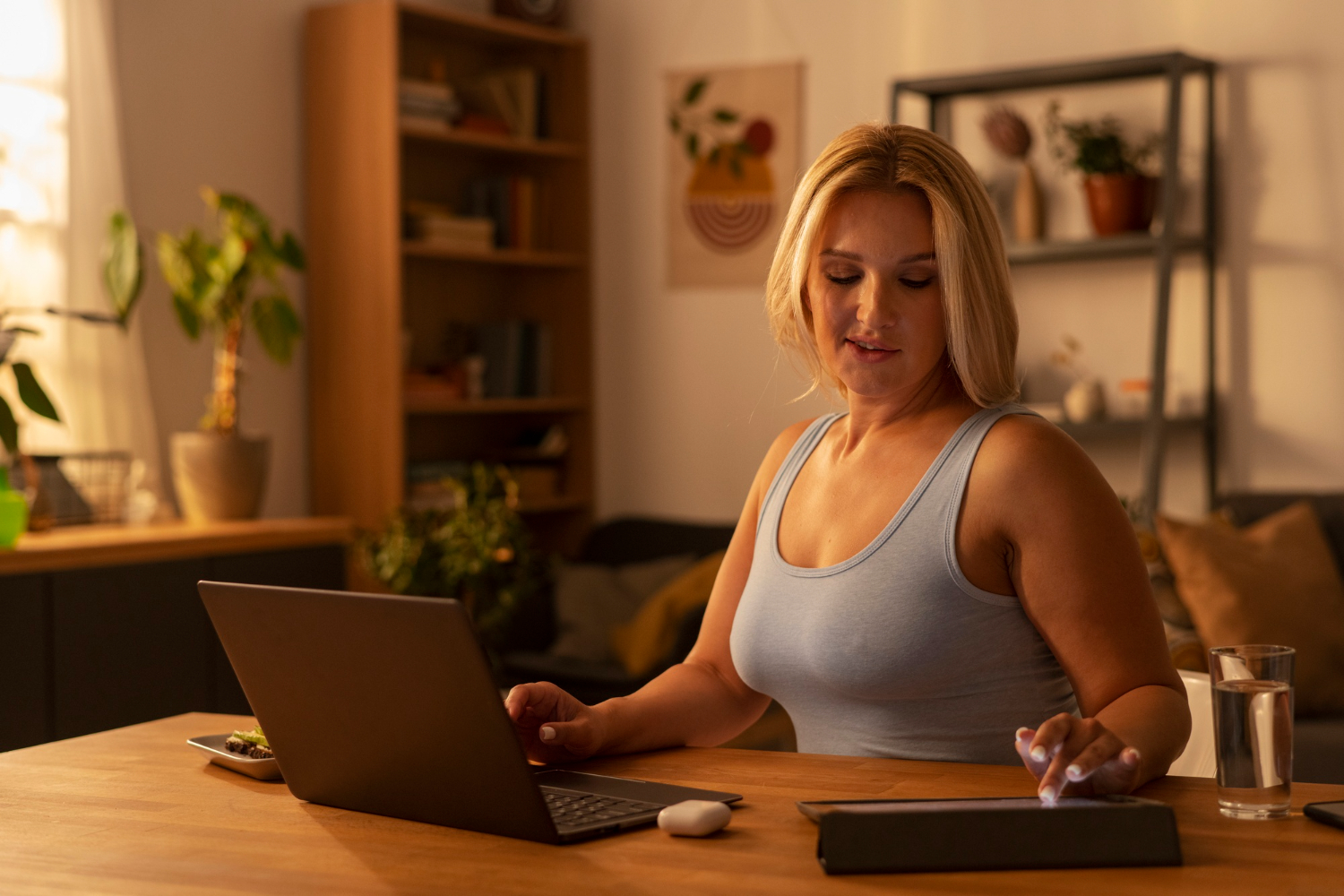


Your clients can crush their goals even without a full‑size gym.
Short answer: By leveraging bodyweight movements, everyday objects, high‑intensity interval training, and digital coaching tools like video demos and progress dashboards, online trainers can design safe, effective programs that work in a living‑room, a hotel room, or a small apartment.
When a client tells you their gym is closed, their schedule is chaotic, or their budget won’t stretch to a membership, it’s easy to feel stuck. The reality is that the majority of strength, mobility, and cardio adaptations come from movement patterns, not fancy machines. As a digital personal trainer, you have the flexibility to turn constraints into creative opportunities.
In this guide we’ll break down the science behind home‑based training, walk through a toolbox of exercises that need zero or minimal equipment, and show how technology—especially the AI‑driven platform Spur Fit—can keep your clients accountable, motivated, and progressing.
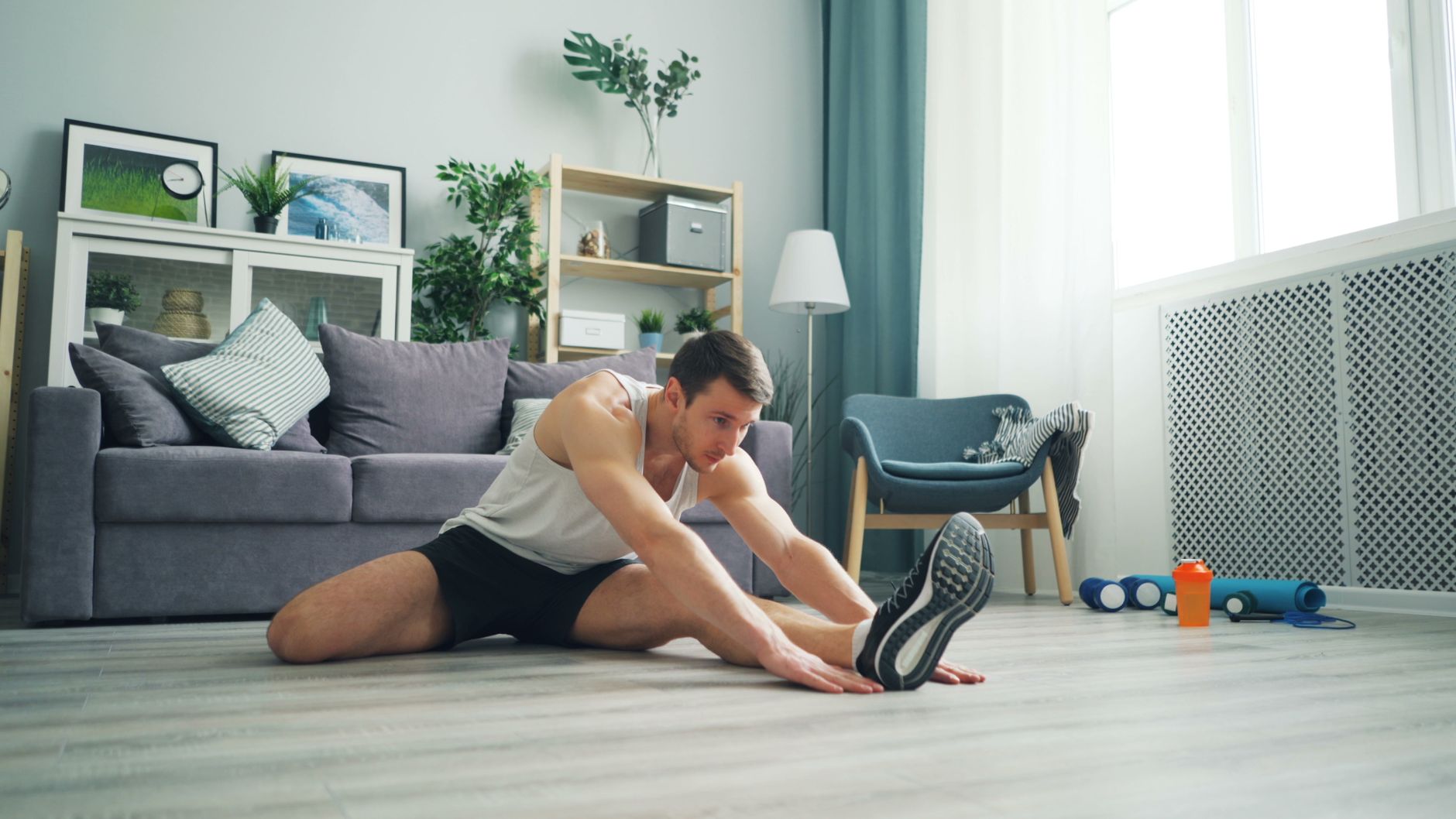
Why Home‑Based Workouts Are More Than a Compromise
Convenience drives adherence
Research consistently shows that convenience is the single biggest predictor of exercise adherence. A 2022 systematic review found that participants who could train at home were 27% more likely to stick to a program than those who relied on a gym schedule. When the barrier of commute disappears, clients can slot a 20‑minute session between Zoom calls or school drop‑offs.
Cost‑effectiveness expands your market
Eliminating the need for a membership lowers the entry price for many potential clients. This opens doors to students, retirees, and families who might otherwise dismiss personal training as a luxury. By positioning yourself as a “no‑equipment needed” specialist, you tap into a broader demographic while still delivering premium results.
Evidence supports bodyweight training
Multiple meta‑analyses have demonstrated that bodyweight resistance training can produce comparable gains in muscular endurance and hypertrophy to traditional weight‑lifting when volume and progressive overload are properly managed. The key is systematic progression—adding reps, altering tempo, or using unilateral variations.
Building a Robust Home‑Workout Blueprint
Core categories of equipment‑free exercises
- 1Fundamental bodyweight lifts
Push‑ups, squats, lunges, bridges, and planks form the backbone of any program. They engage multiple joints, promote functional strength, and are easily scaled.
- 2Dynamic cardio bursts
Jumping jacks, high knees, burpees, and mountain climbers elevate heart rate without any gear, making them perfect for HIIT circuits.
- 3Mobility & stability drills
World’s Greatest Stretch, hip‑circles, and scapular wall slides improve range of motion and reduce injury risk—essential for clients who spend hours at a desk.
- 4Everyday‑object resistance
Filled water bottles, backpack loads, or a sturdy chair can mimic dumbbells, kettlebells, or dip bars. The only limit is imagination.
Progression without traditional weights
Progressive overload is the cornerstone of adaptation. When you can’t add plates, consider these variables:
| Variable | How to Manipulate |
|---|---|
| Volume | Increase total sets or reps each week. |
| Tempo | Slow the eccentric phase (e.g., 3‑second descent). |
| Leverage | Elevate feet for push‑ups or perform pistol squats for a unilateral load. |
| Load | Hold a backpack filled with books during squats. |
Sample 4‑Week Program Structure
Week 1 – Foundation
3 days: Full‑body circuit (30 sec each, 15 sec rest) – push‑ups, air squats, plank, jumping jacks. Finish with 5 min core flow.
Week 2 – Volume
4 days: Add a second circuit, increase work time to 40 sec. Introduce backpack goblet squat (10 lb).
Week 3 – Intensity
5 days: HIIT focus – 20 sec all‑out effort, 10 sec rest, 8‑rounds. Use burpee‑to‑pull‑up (chair) for added challenge.
Week 4 – Deload & Test
3 days: Reduce volume by 30%, keep intensity. End with a max‑rep push‑up and squat test to quantify progress.
Leveraging Digital Tools for a Seamless Experience
Video libraries for visual learning
Clients often struggle with form when they can’t be corrected in real time. A curated video library—hosted on Spur Fit—lets you attach a demonstration to every exercise prescription. Coaches using this approach report higher technique scores and fewer injury complaints.
Live virtual sessions
Even a 15‑minute Zoom check‑in can dramatically boost accountability. Use screen‑share to walk through the day’s circuit, watch the client perform a set, and give instant cues. The personal connection mirrors an in‑studio session without the commute.
Automated progress tracking
Spur Fit’s analytics dashboard aggregates reps, RPE (Rate of Perceived Exertion), and heart‑rate data (if the client syncs a wearable). Automated alerts flag stagnation, prompting you to tweak the program before motivation wanes.
Creative Equipment Alternatives That Won’t Break the Bank
Household items are surprisingly versatile:
- Water bottles or milk jugs – serve as 1‑5 kg dumbbells for curls, overhead presses, or rows.
- Backpack filled with books – adds load for squats, lunges, or hip thrusts.
- Sturdy chair – perfect for triceps dips, step‑ups, or Bulgarian split squats.
- Towel sliders – place a small towel under feet on hardwood for mountain‑climber‑style slides.
Encourage clients to experiment safely; a quick “is it stable?” checklist prevents mishaps.
Designing HIIT Sessions That Burn Calories Fast
High‑Intensity Interval Training (HIIT) maximizes metabolic impact in 20‑minutes or less. A typical structure:
- Warm‑up (5 min): Dynamic stretches, light cardio.
- Work interval (20‑30 sec): Max effort—burpee‑to‑chair dip, squat jump, or sprint in place.
- Rest (10‑15 sec): Active recovery—marching or deep breaths.
- Repeat 8‑12 rounds.
- Cool‑down (3‑5 min): Stretch major muscle groups.
Because HIIT relies on heart‑rate spikes, you can integrate wearable data into Spur Fit to ensure clients hit the 85‑95% HRmax zone.
Maintaining Motivation and Accountability
Gamify progress
Assign points for completed workouts, extra reps, or consistency streaks. Spur Fit’s leaderboards turn solitary training into a friendly competition.
Regular check‑ins
Schedule weekly video calls to review metrics, celebrate wins, and troubleshoot barriers. Even a 5‑minute “how did it go?” call can reduce dropout rates by up to 30%.
Putting It All Together: A Sample Client Journey
Imagine a busy parent who can only train in a 10‑square‑meter apartment. Week 1 you deliver a 20‑minute bodyweight circuit via Spur Fit, attach video demos, and set a goal of three sessions per week. By week 3 you introduce a backpack squat and a 4‑minute HIIT finisher. The platform tracks RPE and heart‑rate, automatically nudging the client to increase load or volume. At the end of month one the client reports a 5‑kg increase in squat endurance and feels more energetic for daily chores.
This scenario illustrates that limited space is not a limitation—it’s a design brief.

Frequently Asked Questions
- Yes. When volume, tempo, and progressive overload are managed correctly, bodyweight training can produce strength and hypertrophy gains comparable to traditional resistance work, especially for beginners and intermediate clients.
- Provide downloadable PDFs with illustrated exercise cues and a simple weekly checklist. Encourage them to record themselves with a phone and send short clips for asynchronous feedback.
- Manipulate leverage (elevated feet), increase time under tension, add unilateral variations, or use household objects as resistance. The “load” variable can be anything that makes the movement harder.
- When scaled appropriately—shorter work intervals, longer rest, and low‑impact movements—HIIT is safe and effective for most beginners. Always assess baseline fitness and modify as needed.
- Spur Fit automates progress logs, sends reminder notifications, and visualizes trends. Coaches can set up automated alerts for missed sessions, prompting a quick outreach before motivation drops.