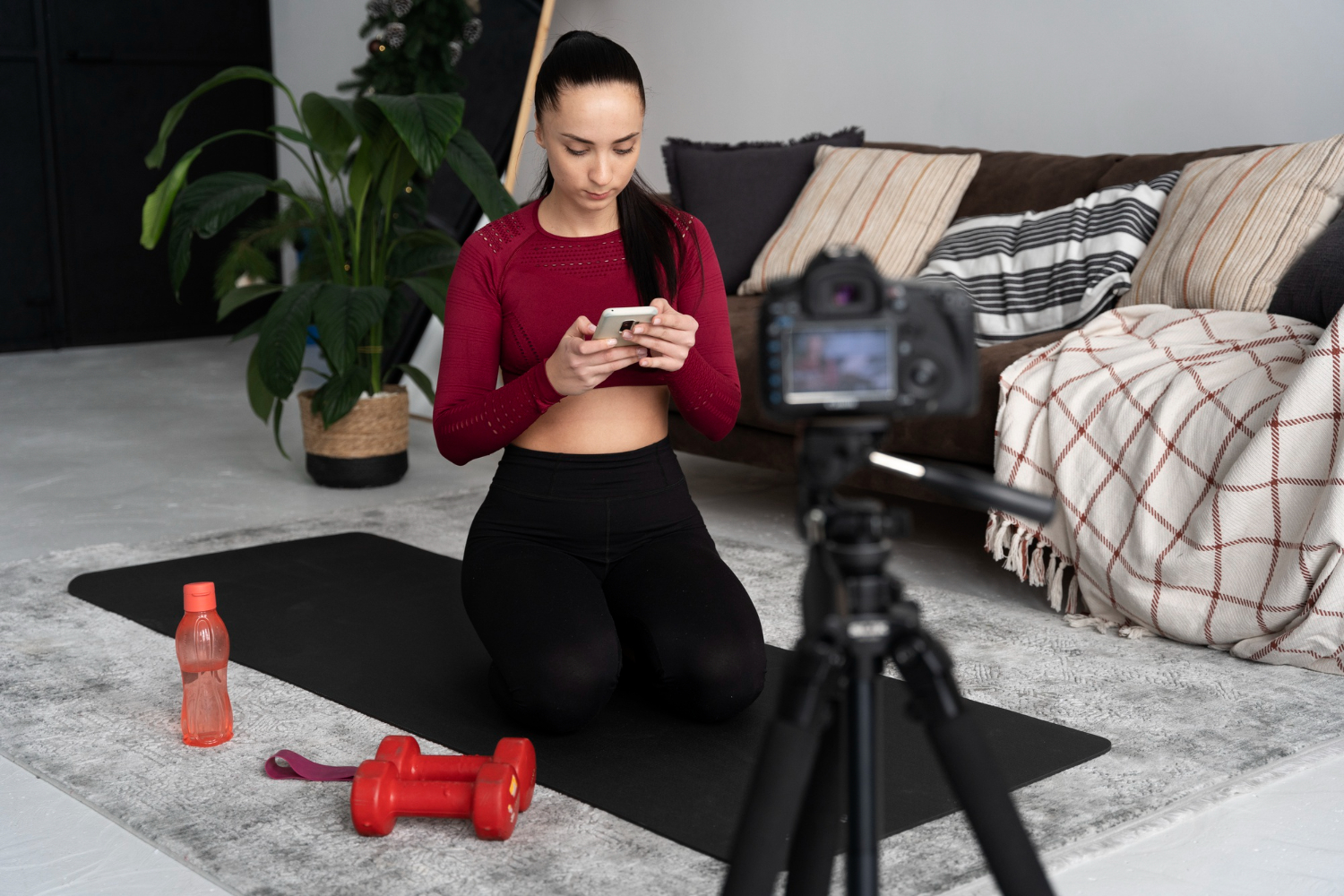


Imagine delivering a custom‑crafted workout for every client in seconds, not hours.
Short answer: Free AI workout plans let online fitness coaches generate safe, personalized programs instantly, freeing time for coaching, boosting client retention, and reducing liability—all without spending a dime.
Running a thriving online coaching business means juggling program design, client communication, marketing, and admin tasks. When program creation eats up most of your day, the quality of your coaching suffers and revenue stalls. That’s why many coaches are turning to free AI workout plans as a core productivity tool.
These tools are not gimmicks; they are built on machine‑learning models trained with thousands of evidence‑based protocols. They analyze a client’s goals, fitness level, equipment access, and injury history, then output a complete, periodized routine. The result is a program that feels hand‑crafted while you spend minutes on fine‑tuning instead of hours on drafting.

What Makes a Free AI Workout Plan “Free” and Effective?
Most platforms that market themselves as “free” offer a robust core engine at no cost, reserving premium add‑ons for advanced analytics. The free tier typically includes:
- 1Goal‑based templates
Weight loss, strength, mobility, or sport‑specific conditioning.
- 2Equipment filters
Home‑gym, commercial gym, or body‑weight only.
- 3Safety screens
Exercise contraindications based on injury history.
Because the algorithms draw from peer‑reviewed exercise science, the plans respect progressive overload, balanced volume, and recovery principles—key factors that separate a safe program from a risky one.
Five Concrete Reasons to Add Free AI Workout Plans to Your Toolkit
1. Reclaim Hours for High‑Value Coaching
On average, coaches report spending 3–5 hours per client each week on program design alone. With AI, you input a handful of data points—age, goal, current lift numbers, equipment list—and receive a full 4‑week block in under two minutes. Those saved hours can be redirected to:
- Live video check‑ins
- Nutrition coaching
- Community building
- Business development
Studies from the International Coaching Federation show that coaches who allocate more time to client interaction see a 22 % increase in retention.
2. Elevate Program Safety and Reduce Liability
Injury is the #1 reason clients quit. AI planners embed safety protocols such as:
- Individualized exercise selection that respects past injuries and mobility limits.
- Form cues and video demos linked to each movement, lowering the chance of technique‑related strains.
- Progressive overload algorithms that increase load by 5‑10 % per micro‑cycle, avoiding sudden spikes.
According to the National Strength and Conditioning Association, coaches who use systematic injury‑prevention tools experience up to a 70 % drop in client‑related claims.
3. Deliver Consistently Personalized Experiences
Clients crave programs that feel “made just for them.” AI achieves personalization at scale by cross‑referencing:
| Client Variable | AI Action |
|---|---|
| Goal (e.g., hypertrophy) | Prioritizes volume‑based sets, 8‑12 rep range |
| Equipment | Swaps barbell bench for dumbbell press if only free weights are available |
| Injury history | Excludes deep squats for knee‑sensitive clients, adds glute bridges instead |
| Training frequency | Adjusts total weekly volume to match 3‑day vs 5‑day schedules |
The result is a program that feels bespoke, fostering trust and higher adherence.
4. Scale Your Business Without Sacrificing Quality
When you can generate a solid program in minutes, you can on‑board more clients without hiring additional staff. AI also provides a repeatable audit trail—each plan is saved, version‑controlled, and instantly shareable via a client portal. This scalability is why many boutique studios have expanded from 15 to 60 active members within a single quarter.
5. Stay Ahead of the Tech Curve
Fitness is increasingly data‑driven. By integrating free AI tools now, you position yourself as an innovative coach who leverages cutting‑edge science. Clients searching for “AI‑generated workouts” are more likely to choose a coach who already offers that capability.
How to Implement Free AI Workout Plans Effectively
Step 1: Gather Precise Client Data
Ask for the following during onboarding:
- Current training logs (weights, reps, RPE)
- Medical questionnaire (past injuries, surgeries)
- Equipment inventory
- Specific short‑term and long‑term goals
Accurate inputs are the foundation of a useful AI output.
Step 2: Run the AI Generator
Log into your chosen free AI platform, paste the data, and select a template that matches the client’s primary goal. Most tools let you preview the entire mesocycle before confirming.
Step 3: Review & Refine
Even the best algorithms can miss nuance. Scan for:
- Exercise variety (avoid >2 consecutive days of the same movement)
- Recovery cues (ensure at least 48 hours between heavy lower‑body sessions)
- Progression logic (check that load increments are realistic)
Make minor tweaks, then add your branding, video links, or motivational notes.
Step 4: Deliver Through Your Coaching Platform
Upload the PDF or embed the interactive plan into your client portal. Spur Fit’s client‑facing dashboard integrates seamlessly with most AI generators, letting you push updates with a single click.
Step 5: Collect Feedback and Iterate
After each week, ask clients to rate difficulty, enjoyment, and any discomfort. Feed that data back into the AI for the next cycle—many tools auto‑adjust intensity based on reported RPE.
Key Benefits Summarized

Frequently Asked Questions
- No. Most platforms use a simple questionnaire interface. You just enter the client’s details and click “Generate.” A brief tutorial is usually provided during sign‑up.
- Yes. Reputable free AI tools are built on peer‑reviewed exercise science and incorporate principles like progressive overload, periodization, and movement‑specific safety guidelines.
- Absolutely. After the AI creates the draft, you can edit exercise selections, swap rep schemes, or add your own coaching cues before delivering the final plan.
- AI reduces risk but cannot eliminate it. Maintain standard liability waivers, keep open communication, and adjust the program immediately based on the client’s feedback.
- Free tiers typically have generous usage caps—often unlimited program generations per month. If you approach the limit, most platforms offer a low‑cost upgrade, but the basic functionality remains free for most coaches.