
Ready to turn screen time into serious muscle gains?
Short answer: Effective online bodybuilding coaching combines video‑based form analysis, data‑driven program design, AI‑assisted nutrition planning, and a tight community culture, all delivered through a platform like Spur Fit.
Remote training isn’t a compromise—it’s an opportunity to scale expertise, personalize at the micro‑level, and collect objective data that in‑person coaching often misses. The challenge for coaches is to replace the hands‑on cue with technology that feels just as supportive.
In this guide we break down the science‑backed tactics that let you build muscle for clients wherever they are. From the moment a lifter uploads a squat video to the final weekly progress photo, you’ll have a repeatable workflow that drives hypertrophy, minimizes injury, and keeps clients engaged.
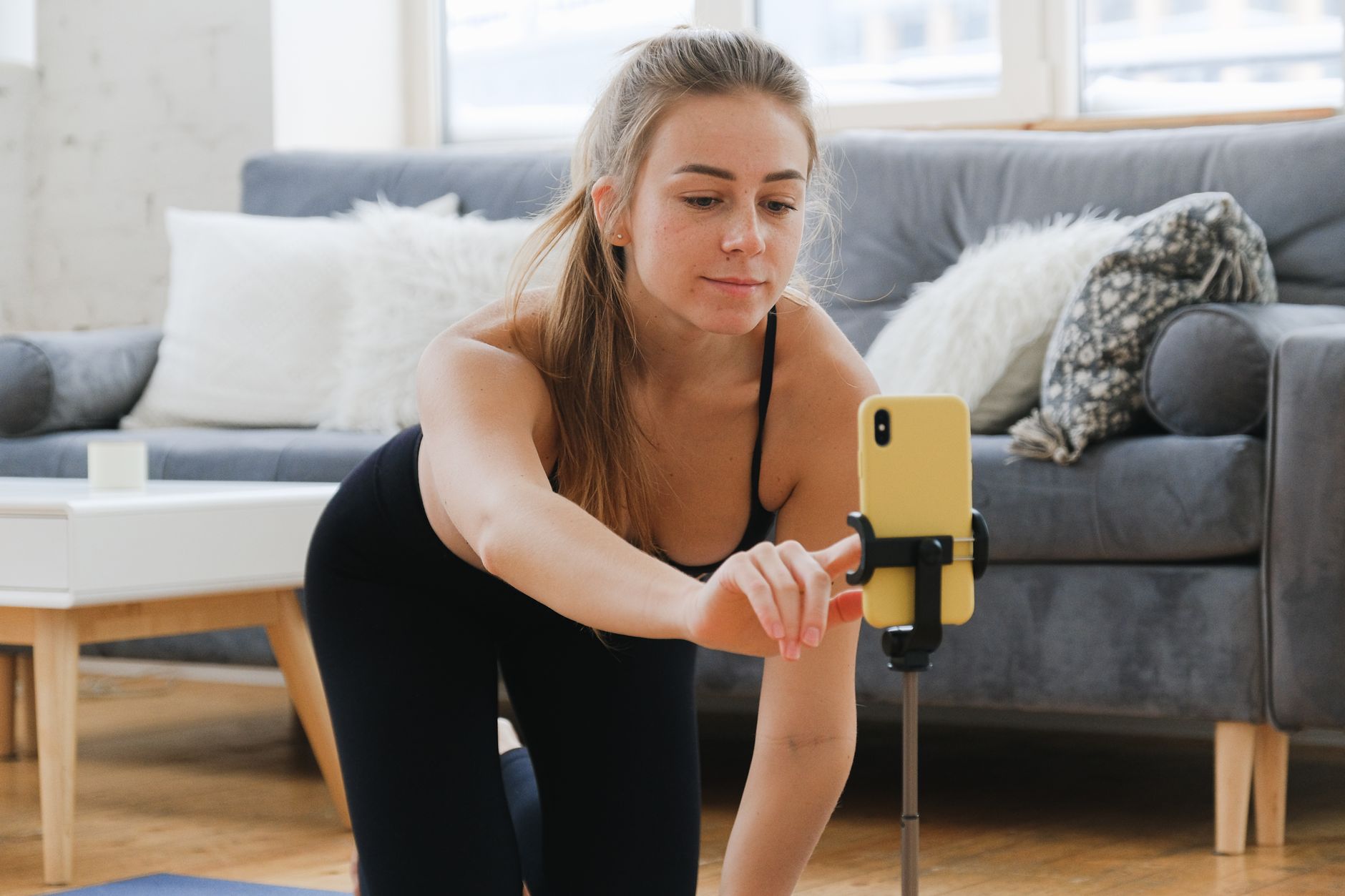
1. Capture and Correct Form with Video Analytics
Why video beats written cues
Research shows that visual feedback improves motor learning 2‑3 times faster than verbal instruction alone (Wulf & Shea, 2020). Use a secure upload portal—Spur Fit’s client portal integrates with popular video apps—to collect 30‑second clips of each key lift.
Step‑by‑step workflow
- 1Ask for a standardized angle
Front‑on for bench press, side‑on for squat, and 45° for deadlift. Consistency lets you compare frame‑by‑frame.
- 2Annotate with overlay tools
Draw lines on the bar path, highlight knee travel, or add a voice note that says, “Drive through the heels, keep the torso upright.”
- 3Set a corrective task
Give a single, measurable cue for the next session—e.g., “Touch the wall with your elbows on the next three bench reps.”
- 4Schedule a live‑review call
30‑minute video calls reinforce the written feedback and answer any questions in real time.
2. Build Data‑Driven Programs That Adapt
Collect the right metrics
Wearables and training apps now export volume (sets × reps × load), intensity (%1RM), and recovery markers (HRV, sleep). Import these CSV files into Spur Fit’s dashboard to generate a weekly “Hypertrophy Index.”
Periodization that respects individual response
Instead of a generic 4‑week linear plan, use a “flexible undulating” model:
| Week | Focus | Volume (sets) | Intensity (%1RM) |
|---|---|---|---|
| 1 | Muscle endurance | 4‑5 | 65‑70 |
| 2 | Hypertrophy | 3‑4 | 75‑80 |
| 3 | Strength | 2‑3 | 85‑90 |
| 4 | Deload | 2 | 55‑60 |
After each week, compare actual volume to the target. If a client consistently exceeds the prescribed load, accelerate progression; if they miss volume, add an extra recovery day.
AI‑generated exercise substitutions
Spur Fit’s AI engine can suggest alternate movements when equipment is unavailable or when a client reports joint pain. The suggestions keep the stimulus on the same muscle group while preserving the program’s overall balance.
3. Nutrition Coaching That Fuels Hypertrophy
Macro‑tracking made simple
Muscle growth thrives on a surplus of 250‑500 kcal and protein intake of 1.6‑2.2 g/kg body weight (Schoenfeld, 2021). Use a shared spreadsheet or a dedicated nutrition app linked to Spur Fit so clients log meals in real time.
Flexible dieting without the guilt
Implement a “If‑It‑Fits‑Your‑Macros” (IIFYM) approach: clients meet protein and calorie targets but can choose carbs and fats based on preference. This flexibility improves adherence, especially for busy professionals.
Supplements: evidence‑based basics
Creatine monohydrate (5 g/day) and whey protein (20‑30 g post‑workout) have the strongest support for size gains. Include a short “supplement checklist” in each client’s portal, and set reminders for refill dates.
4. Cultivate an Engaged Online Community
Private groups that feel like a gym floor
Create a closed Discord or Facebook group where members post daily lifts, nutrition wins, and struggle stories. Pin weekly “challenge threads” (e.g., highest rep squat at 75 % 1RM) to spark friendly competition.
Virtual posing & progress reviews
Schedule monthly Zoom sessions where clients perform a short posing routine. Record the session, then overlay side‑by‑side photos from the start of the program. Visual proof of change fuels motivation and retention.
5. Continuous Coach Development
Stay current with the science
Subscribe to journals like *Journal of Strength & Conditioning Research* and attend webinars hosted by the NSCA. Allocate 2 hours per month for “research‑to‑practice” – translate a new finding into a client protocol within your Spur Fit workflow.
Expand your service menu
Consider adding contest prep, sport‑specific hypertrophy, or post‑rehab strength phases. Diversifying your niche protects against market saturation and opens higher‑ticket opportunities.
Summary
When you blend precise video feedback, data‑rich programming, AI‑enhanced nutrition, and a vibrant community, online bodybuilding coaching becomes a powerhouse for muscle growth. Platforms like Spur Fit give you the infrastructure to automate admin, personalize every rep, and scale your impact without sacrificing quality.

Frequently Asked Questions
- Ask for a new video of each major lift every 2–3 weeks. This cadence balances data collection with client workload and provides enough time for measurable technique changes.
- Yes, but start with foundational movement tutorials and more frequent form checks. Use simplified programming (e.g., 3‑day full‑body) until the client demonstrates consistent technique.
- Leverage AI‑suggested bodyweight or resistance‑band alternatives. Spur Fit can automatically swap barbell exercises for equivalents that hit the same muscle groups.
- Use photo‑logging apps that sync with Spur Fit, set up macro “templates” for common meals, and schedule weekly brief check‑ins instead of daily audits.
- Studies show that social support raises adherence by up to 30 %. A lively group chat or monthly challenge can dramatically improve client retention and referrals.