.png)

What if your clients could train smarter, not harder, thanks to AI‑powered coaching?
Short answer: AI fitness coach apps combine sensor data, machine‑learning algorithms, and adaptive programming to deliver hyper‑personalised workouts, real‑time form cues, and ongoing progression, letting coaches scale expertise while clients see faster results.
The fitness industry is at a crossroads where technology meets human motivation. As a coach, you’re asked to deliver bespoke programs at scale, keep engagement high, and justify every minute of a client’s investment. Traditional spreadsheet‑based planning can’t keep up with the data flood from wearables, smart equipment, and on‑demand video platforms.
Enter AI fitness coach apps. These tools ingest heart‑rate variability, movement velocity, and even sleep quality to auto‑adjust intensity, volume, and exercise selection. The result is a dynamic training environment that reacts to daily physiology rather than a static 4‑week block.

Why AI Is No Longer a Luxury, But a Competitive Necessity
Research published in Sports Medicine (2023) shows that algorithm‑driven training prescriptions improve adherence by 18% compared with static plans. The same study notes a 12% reduction in injury risk when real‑time biomechanical feedback is provided. For coaches, these numbers translate into higher client retention and fewer liability concerns.
1. Data‑Driven Personalisation at Scale
AI apps analyse historical performance, current fatigue markers, and stated goals to generate a personalised workout plan for each client. Unlike generic templates, the algorithm can swap a squat for a split squat if knee pain spikes, or increase plyometric volume when power output rises.
2. Real‑Time Coaching Without Extra Hours
Through smartphone cameras, inertial sensors, or connected gym equipment, the software evaluates form on the fly. Instant cues—"engage core," "track knee over toe"—are delivered via audio or haptic feedback, reducing the need for constant video call supervision.
3. Continuous Adaptation Keeps Plateaus at Bay
Traditional periodisation relies on manual deload weeks. AI monitors performance trends and automatically adjusts load, rest, or exercise type, ensuring progressive overload while respecting recovery. Coaches receive a concise weekly summary, freeing up time for relationship‑building activities.
Core Technologies Every Modern Coach Should Know
Wearable Fitness Trackers
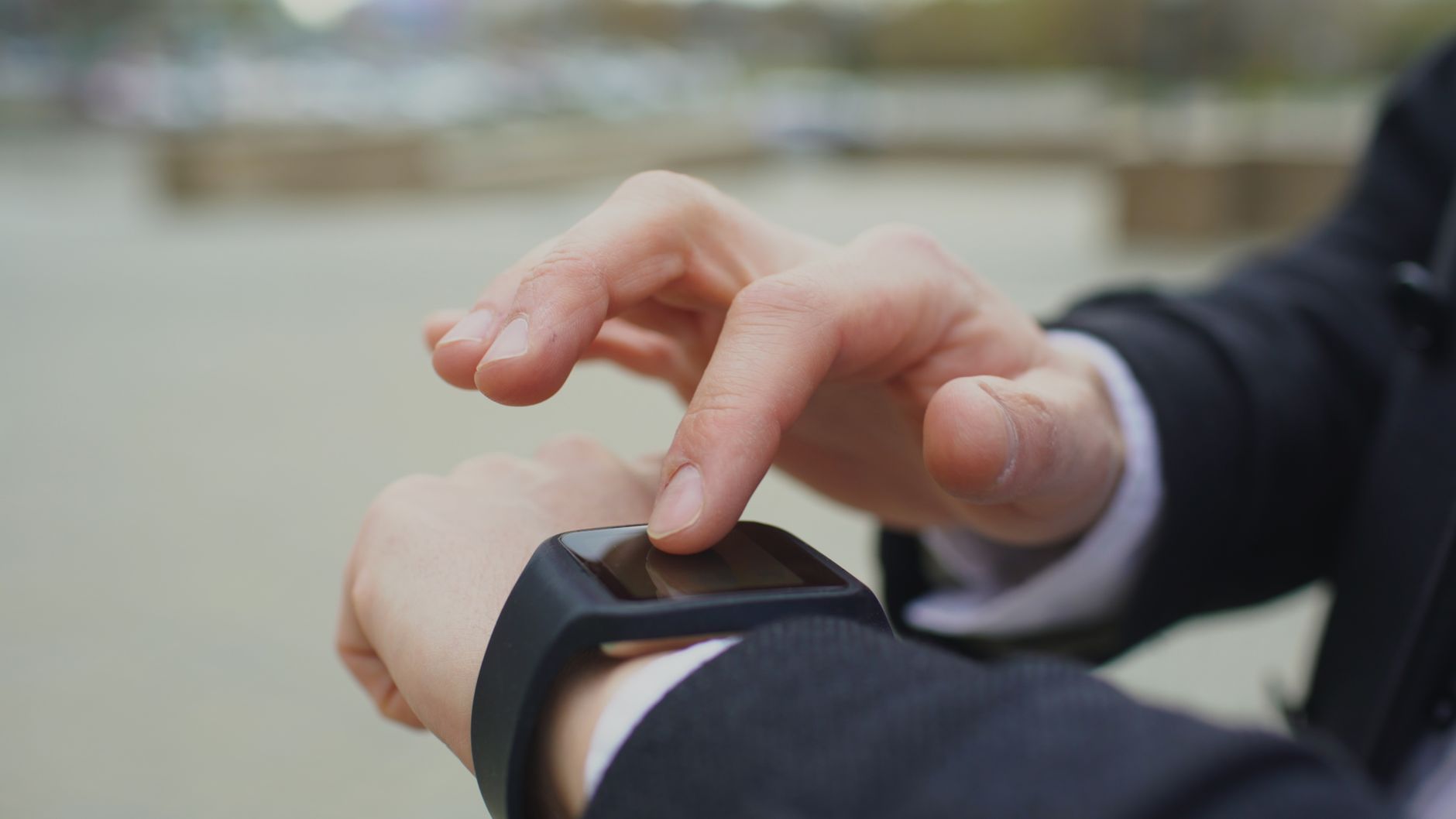
Modern wearables now embed electro‑dermal activity sensors, SpO₂ monitors, and ECG‑grade heart‑rate tracking. When paired with an AI app, these metrics become inputs for the training engine. For example, a sudden dip in HRV can trigger a recovery‑focused session, protecting clients from overreaching.
Smart Home‑Gym Equipment
Connected strength machines (e.g., smart racks, adaptive dumbbells) stream force‑time curves directly to the cloud. AI interprets velocity‑based metrics to prescribe load based on bar speed rather than estimated 1RM, a method shown to improve strength gains by up to 9% in 12 weeks.
Virtual Reality (VR) Fitness
VR platforms now integrate biometric APIs, allowing coaches to place clients in immersive environments while still capturing heart‑rate and movement data. The novelty factor boosts motivation, and the data feeds back into the AI engine for precise load adjustments.
Integrating AI Tools with Your Existing Workflow
Adopting new tech should feel like an upgrade, not a disruption. Here’s a practical three‑step integration plan:
- 1Audit Your Data Sources
Identify which wearables, gym equipment, and video platforms your clients already use. Most AI apps support Apple Health, Google Fit, and major smart‑rack APIs.
- 2Map to Coaching Touchpoints
Assign AI‑generated insights to specific client interactions—weekly check‑ins, program revisions, or on‑demand feedback. This creates a predictable rhythm.
- 3Leverage Spur Fit for Centralisation
Use Spur Fit to consolidate client data, schedule AI‑driven program updates, and deliver automated progress reports. The platform’s API syncs with most popular trackers, eliminating double‑entry.
Evidence‑Based Benefits for Coaches and Clients
Coaches using AI‑enhanced workflows report higher satisfaction scores because they can focus on strategy and mindset coaching rather than manual data entry. Clients, meanwhile, experience faster strength gains, better recovery, and a sense of being "seen" by technology that reacts to their daily condition.
Choosing the Right AI Fitness Coach App
| Feature | App A | App B | App C |
|---|---|---|---|
| Live video form analysis | ✔ | ✔ | ✖ |
| Velocity‑based training integration | ✔ | ✖ | ✔ |
| Automated weekly report | ✔ | ✔ | ✔ |
| Spur Fit API sync | ✔ | ✖ | ✔ |
When evaluating options, prioritize platforms that offer open APIs, robust sensor compatibility, and proven AI models for load prediction. A seamless link to Spur Fit ensures you keep all client communications in one place.
Future Trends to Watch
Predictive Injury Modelling
Next‑gen AI will combine musculoskeletal imaging, gait analysis, and historical load data to forecast injury risk weeks in advance, allowing pre‑emptive program tweaks.
Hybrid Human‑AI Coaching
Rather than replacing the coach, AI will act as a “second brain,” surfacing data insights while the coach delivers empathy, motivation, and nuanced program design.
Biometric‑Driven Nutrition Integration
Future platforms will sync glucose monitors and metabolic carts with training algorithms, delivering real‑time macro adjustments that align with daily training stress.
Frequently Asked Questions
- Most AI apps work with consumer‑grade wearables (Apple Watch, Fitbit) and standard smartphone cameras. Investment in smart gym equipment adds precision but isn’t mandatory to start seeing benefits.
- No. AI handles data‑heavy tasks—tracking, load calculation, and instant form cues—freeing you to focus on motivation, technique coaching, and program creativity.
- Reputable providers use end‑to‑end encryption, GDPR‑compliant storage, and allow you to control data export. Always review the privacy policy before onboarding.
- AI algorithms detect missed workouts and automatically suggest a recovery‑oriented alternative, keeping the program on track without manual re‑programming.
- Most apps feature intuitive dashboards and push notifications. A brief onboarding video (which you can host in Spur Fit) usually reduces friction to under five minutes.