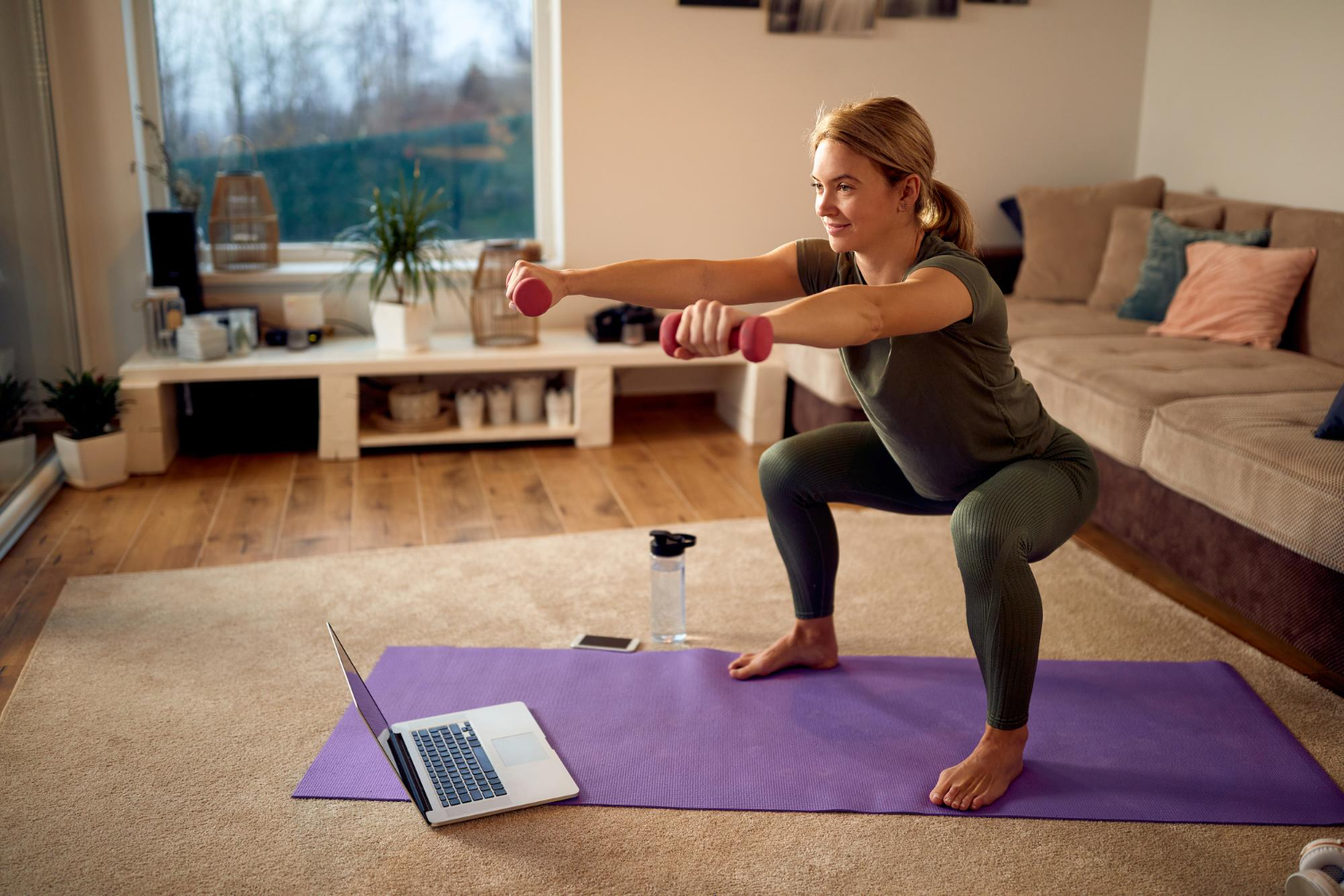


Imagine delivering a fully personalized, science‑backed workout plan to any client in under five minutes.
Short answer: By leveraging AI‑driven platforms like Spur Fit, trainers can input a client’s goals, history, and equipment preferences and receive a complete, periodized program in minutes, freeing up time for coaching, client interaction, and business growth.
Personal trainers and gym owners know that the most valuable part of the service is the bespoke program that translates a client’s aspirations into actionable daily workouts. Yet the manual process—collecting data, mapping progressions, balancing volume and intensity—often eats up hours each week. That time could be spent refining technique, building relationships, or scaling the business.
Artificial intelligence has moved beyond novelty apps; modern AI engines analyze biomechanics, evidence‑based periodization models, and large datasets of successful programs to generate plans that respect individual constraints. The result is a tool that augments, not replaces, the trainer’s expertise.

Why personalized workout plans still matter
Understanding the client’s unique context
Every client arrives with a distinct combination of age, training age, injury history, and lifestyle factors. Research shows that programs tailored to these variables improve adherence by up to 30% compared with generic templates (American Council on Exercise, 2022). An AI system can instantly synthesize this information—body‑fat percentage, lift maxes, cardio capacity—and align it with the client’s stated outcomes, whether that’s hypertrophy, fat loss, or functional mobility.
Motivation through relevance
When a client sees a workout that references their favorite equipment or respects a recent shoulder injury, the perceived relevance spikes. Coaches using this approach report higher session completion rates and more positive client feedback. The psychological boost of a plan that feels "made just for me" translates into longer retention and referral pipelines.
How AI streamlines the planning workflow
Data ingestion in seconds
AI platforms begin with a quick intake form. Modern solutions pull data from wearable APIs, previous session logs, and even nutrition trackers. This eliminates the manual spreadsheet crunch and reduces human error. A typical intake that might take 15‑20 minutes can be completed in under a minute.
Algorithmic periodization
Behind the scenes, the AI applies evidence‑based periodization frameworks—linear, undulating, or block—matching them to the client’s timeline. Studies published in the Journal of Strength & Conditioning Research (2023) confirm that algorithm‑generated progressive overload yields comparable strength gains to expert‑crafted programs when supervised by a qualified trainer.
Equipment‑aware programming
Whether a client trains at home with dumbbells or in a commercial gym with cable machines, the AI filters exercise selections accordingly. This avoids the common pitfall of prescribing movements that the client cannot perform, thereby preserving motivation and safety.
Instant revisions
Client feedback is inevitable—maybe a lower‑back strain or a sudden schedule change. With AI, you can adjust variables (load, volume, exercise choice) and regenerate the entire week in seconds, keeping the program fluid without starting from scratch.
Integrating AI into your coaching business
Step 1: Choose a robust AI engine
Look for platforms that offer:
- 1Evidence‑backed algorithms
Peer‑reviewed research should inform the core logic.
- 2Customizable intake forms
Capture the nuances of each client’s health and goals.
- 3Integration capabilities
API connections to your CRM, calendar, or wearable data.
Spur Fit meets these criteria, offering a clean dashboard, seamless client portal, and AI that respects both scientific principles and trainer input.
Step 2: Map the workflow
Define where AI fits into your existing process:
By front‑loading data collection during the onboarding call, you can hand off the heavy lifting to the AI and spend the remaining session discussing technique, mindset, and lifestyle.
Step 3: Add the human touch
AI provides the skeleton; you add the muscle. Review the generated plan, annotate with cue videos, and schedule a brief walkthrough. This hybrid approach maintains your authority while delivering the speed clients expect.
Step 4: Track outcomes and iterate
Use the platform’s analytics to monitor adherence, load progression, and perceived exertion. Over weeks, the AI refines its recommendations based on real performance data, creating a feedback loop that continuously improves program fidelity.
Practical tips for maximizing AI‑generated plans
- 1Start with a solid baseline
Conduct a brief strength test (e.g., 5‑RM squat) and a mobility screen; feed those numbers into the AI.
- 2Set clear micro‑goals
Instead of “lose weight,” specify “reduce body‑fat by 2 % in 8 weeks” so the AI can program appropriate calorie‑burning volume.
- 3Leverage auto‑progression
Enable the platform’s auto‑increase feature for load or reps; it uses proven progression percentages (2‑5 % per week) to avoid plateaus.
- 4Incorporate recovery metrics
Input sleep and HRV data if available; the AI can suggest deload weeks when recovery dips.
- 5Personalize cues
Attach your own video or text cues to each exercise; this keeps the client experience uniquely yours.

Frequently Asked Questions
- No. AI handles data‑intensive tasks and generates evidence‑based templates, but the coach still decides on exercise selection, provides motivation, and ensures safety.
- Reputable services like Spur Fit comply with GDPR and employ end‑to‑end encryption, so personal health information remains protected.
- Typically every 4‑6 weeks, or sooner if the client reports injury, schedule changes, or stalls in progress.
- You can manually swap the exercise; the AI will recalculate the load and volume to keep the overall program balanced.
- A standard computer or tablet with internet access is sufficient; many platforms also offer mobile apps for on‑the‑go adjustments.