
What you eat before a client’s session can be the difference between a plateau and a breakthrough.
Short answer: The optimal pre‑workout meal supplies easily digestible carbohydrates, moderate protein, and minimal fat 30‑90 minutes before training, matching the client’s intensity, duration, and personal tolerance.
As a coach, you already prescribe sets, reps, and rest intervals; the next logical variable is fuel. Research shows that when athletes consume the right nutrients at the right time, they lift up to 15% more weight, run 5‑10% farther, and recover 20% faster. Ignoring nutrition isn’t just a missed opportunity—it’s a performance liability.
Clients often ask, “What should I eat before my workout?” The answer isn’t one‑size‑fits‑all. It depends on training modality, session length, and the individual’s metabolic profile. This guide breaks down the science, offers concrete snack templates, and shows how you can embed nutrition coaching into your service using Spur Fit’s AI‑driven client insights.

Why Pre‑Workout Nutrition Matters for Coaches
Fueling Muscular Power and Endurance
During high‑intensity effort, the body relies on stored glycogen and circulating glucose. A pre‑workout carbohydrate load raises blood glucose, sparing glycogen and delaying fatigue. Studies published in the Journal of Strength and Conditioning Research demonstrate a 7‑12% improvement in sprint performance when athletes ingest 1–2 g of carbs per kilogram body weight 30‑60 minutes prior.
Protein’s Role in Muscle Activation
Protein isn’t just for post‑session recovery. Consuming 0.2‑0.3 g/kg of high‑quality protein 1‑2 hours before training can enhance amino acid availability, supporting neuromuscular firing and reducing muscle breakdown during resistance work. This is especially valuable for clients on calorie‑restricted diets.
Managing Digestion to Avoid Discomfort
Fat and fiber slow gastric emptying. For most clients, meals >20 g of fat or high‑fiber salads within an hour of training increase gastrointestinal distress and impair performance. Guiding clients toward low‑fat, moderate‑fiber options keeps the gut happy and the muscles firing.
Designing the Ideal Pre‑Workout Meal
Macronutrient Ratios That Work
- 1Carbohydrates (45‑65% of calories)
Prioritize low‑glycemic options for longer sessions (e.g., oatmeal, sweet potato) and high‑glycemic sources for short, explosive work (e.g., banana, rice cakes).
- 2Protein (15‑25% of calories)
Choose whey, Greek yogurt, or lean meats that digest quickly. Aim for 10‑20 g per snack.
- 3Fat (<10% of calories)
Keep fats minimal; a teaspoon of nut butter or a few olives are sufficient to prevent a sluggish feeling.
Timing Strategies
General guidelines:
| Meal Size | Timing Before Workout | Typical Content |
|---|---|---|
| Large (400‑600 kcal) | 2‑3 hours | Complex carbs, moderate protein, low fat |
| Medium (200‑300 kcal) | 60‑90 minutes | Simple carbs + protein |
| Small (100‑150 kcal) | 15‑30 minutes | Fast carbs (e.g., fruit) ± tiny protein |
Clients with sensitive stomachs may need to shift toward the larger, earlier window, while elite athletes often thrive on a quick 15‑minute carb boost.
Evidence‑Based Snack Templates
30‑Minute Quick‑Fire Snacks
- ½ banana + ½ scoop whey mixed in water (≈150 kcal, 30 g carbs, 12 g protein)
- Rice cake topped with 1 tsp honey and a sprinkle of cinnamon (≈120 kcal, 27 g carbs)
- 30 g dried apricots + a small handful of almonds (≈130 kcal, 20 g carbs, 4 g protein, 5 g fat)
90‑Minute Balanced Meals
- Greek yogurt (150 g) with mixed berries and 1 tbsp chia seeds (≈250 kcal, 30 g carbs, 15 g protein, 5 g fat)
- Whole‑grain toast, 1 avocado slice, and a hard‑boiled egg (≈300 kcal, 30 g carbs, 12 g protein, 12 g fat)
- Quinoa salad with chickpeas, cucumber, and a drizzle of lemon‑olive oil (≈350 kcal, 45 g carbs, 12 g protein, 8 g fat)
Integrating Nutrition Coaching Into Your Service
Clients value holistic guidance. By pairing workout programming with personalized fuel plans, you increase retention and referral rates. Here’s how to make it seamless:
Use Spur Fit to generate snack ideas based on each client’s macro goals and training window.
Log pre‑workout meals alongside performance metrics; look for correlations that inform adjustments.
Provide downloadable PDFs that explain carb timing, protein quality, and hydration—position yourself as a knowledge hub.
The Role of Hydration
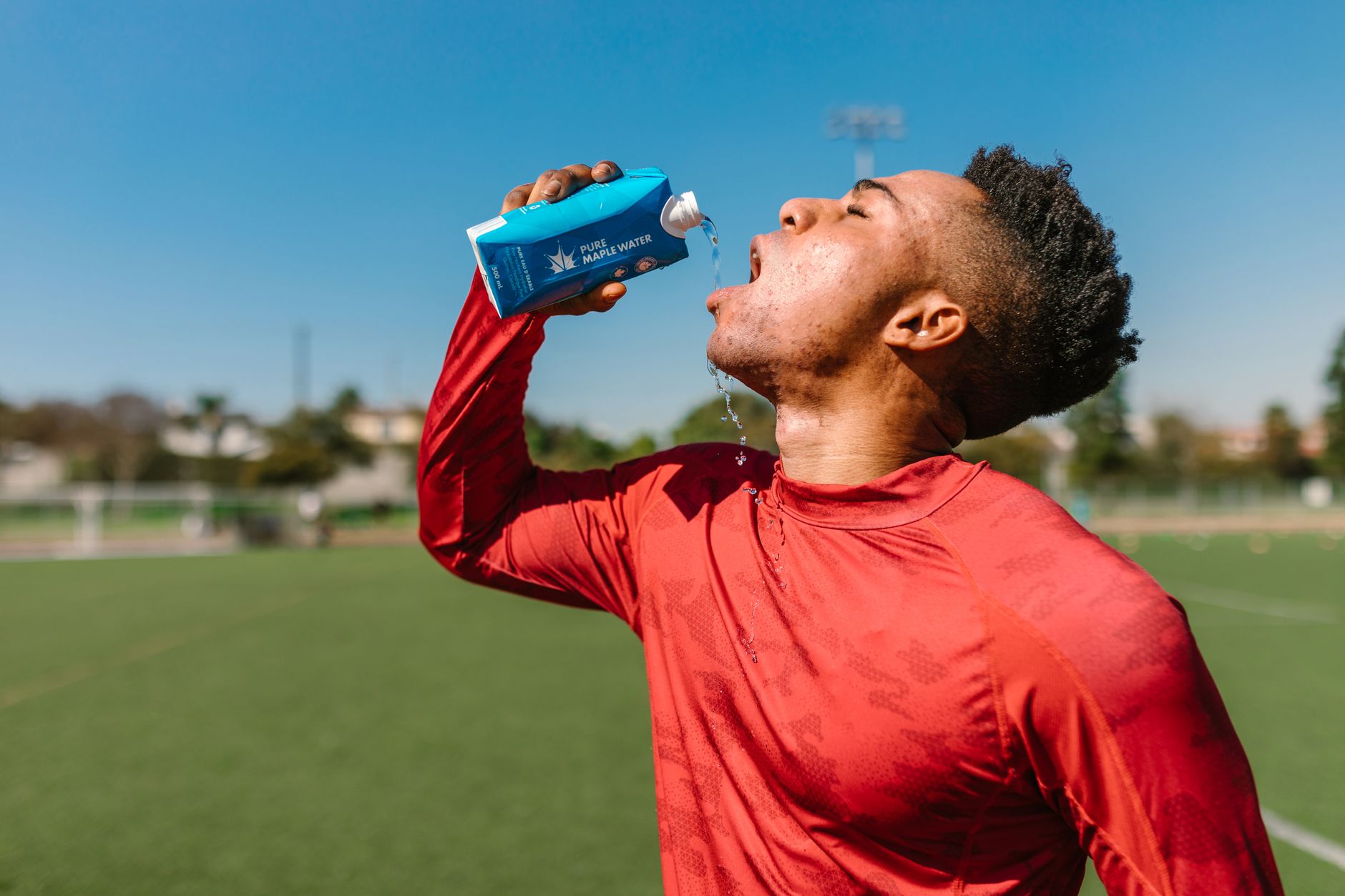
Even mild dehydration (≈2% body water loss) can reduce strength by 5‑10% and increase perceived effort. Recommend 500 ml of water 2‑3 hours before training and another 200‑300 ml 20 minutes prior. For sessions exceeding 60 minutes, add electrolytes or a low‑calorie sports drink.
Post‑Workout Nutrition: The Complementary Piece
While the focus of this article is pre‑session fueling, remember that recovery nutrition cements the gains. Pair a 3:1 carbohydrate‑to‑protein ratio within 30 minutes post‑session to replenish glycogen and trigger muscle protein synthesis. Coaches who align both phases report higher client satisfaction and faster progression.
Frequently Asked Questions
- Aim for 1–1.5 g of carbs per kilogram body weight, consumed 30‑60 minutes prior. This translates to roughly 40‑60 g for a 70 kg client, which can be delivered via a banana with whey or a small oatmeal bowl.
- Fasted training may be appropriate for low‑intensity cardio or specific metabolic goals, but most strength and high‑intensity sessions benefit from at least 15‑20 g of fast‑acting carbs to preserve performance.
- Whey isolate is fastest, but Greek yogurt, cottage cheese, or a plant‑based pea protein shake work well for clients with dairy sensitivities.
- Fat slows gastric emptying. Keep fat under 10 g in meals consumed within 90 minutes of training to avoid sluggishness.
- Yes. The platform analyzes each client’s activity schedule, macro targets, and dietary preferences, then suggests evidence‑based pre‑workout meals that fit their window.