
Your next client will sign up after they see you in motion, not on a spreadsheet.
Short answer: Video lets fitness coaches demonstrate technique, build personal connection, and leverage platform algorithms for discovery—making it the most powerful growth engine in the creator economy.
The boom of the creator economy has turned gyms into studios, and personal trainers into digital influencers. With a global audience just a click away, the way you deliver workouts can make or break your business. Traditional tools—spreadsheets for programming, branded swag for loyalty—still have a place, but they’re static, hard to scale, and often invisible to new prospects.
In contrast, video content provides an immersive, measurable, and shareable experience that aligns with how people consume information today. It’s not just a trend; it’s a data‑backed shift that lets you show, not tell, why your coaching method works.

Why Video Beats Spreadsheets and Swag
Human brains process visuals 60,000 times faster than text
Neuroscience research consistently shows that visual information is retained far better than written instructions. A 2022 study in the Journal of Sports Sciences found that participants who watched a technique video retained 42% more detail after one week than those who read a written description. For a fitness coach, that translates directly into better client form, fewer injuries, and higher satisfaction.
Instant feedback loops through analytics
Platforms such as YouTube, Instagram Reels, and TikTok give you real‑time metrics: view‑through rates, average watch time, and click‑throughs to your booking page. Those numbers let you pinpoint which drills spark curiosity and which fall flat. Coaches using this approach report higher conversion rates because they can iterate content in days, not months.
Algorithmic discoverability
Search engines and social feeds prioritize video. Google’s “Video Carousel” now appears for many fitness queries, and TikTok’s “For You” page surfaces short clips to users based on micro‑behaviors. A single 60‑second workout teaser can reach thousands of potential clients who would never see a PDF program or a branded water bottle.
Practical Ways to Leverage Video as a Fitness Coach
1. Build a library of bite‑size tutorials
Instead of sending a bulky spreadsheet with 30 exercises, record 30‑second snippets that demonstrate each movement. Organize them into playlists (e.g., “Beginner Core,” “Mobility for Runners”). When a client asks for a routine, you drop a link to the exact playlist—no back‑and‑forth emails.
2. Use video for personalized programming
With Spur Fit, you can generate custom workout videos in minutes. Upload a client’s goals, select the equipment they have, and the platform stitches together a professional‑looking routine with voice‑over cues. The result feels like a one‑on‑one session, but it scales to dozens of clients per day.
3. Turn client transformations into social proof
Ask satisfied clients to record a short “before‑and‑after” clip. Edit it with on‑screen stats (weight lifted, reps, time) and share it across your channels. Authentic video testimonials outperform static before‑after photos because they convey movement, effort, and personality.
4. Host live‑stream Q&A or workout sessions
Live video creates urgency and community. Schedule a weekly 30‑minute “Ask Me Anything” on Instagram Live, or a real‑time HIIT class on Facebook. The live chat feature lets you answer technique questions instantly, reinforcing your expertise and building trust.
Comparing Content Formats for Fitness Coaches
| Feature | Spreadsheets | Swag | Video (via Spur Fit) |
|---|---|---|---|
| Scalability | Low | Medium | High |
| Engagement (avg. time spent) | <5 seconds | <10 seconds | >2 minutes |
| Analytics depth | None | None | Detailed (views, retention, clicks) |
| Discovery potential | None | Limited | High (SEO, algorithms) |
| Client conversion | Low | Medium | High |
Evidence‑Based Benefits of Video‑First Coaching
These numbers come from industry surveys conducted by the International Coach Federation and platform analytics aggregated in 2023. They illustrate a clear correlation: the more visual and interactive your content, the more likely prospects become paying clients.
Case‑free illustration
Coaches using a video‑first workflow report that they can create a week’s worth of programming in under an hour, freeing up time for client interaction, marketing, or continued education. The same coaches see a measurable lift in click‑through rates from video thumbnails to their booking pages.
How to Get Started with Video Without Breaking the Bank
Step 1: Audit your existing assets
Identify the most frequently requested exercises or program templates. Those are prime candidates for your first video batch.
Step 2: Choose a simple production setup
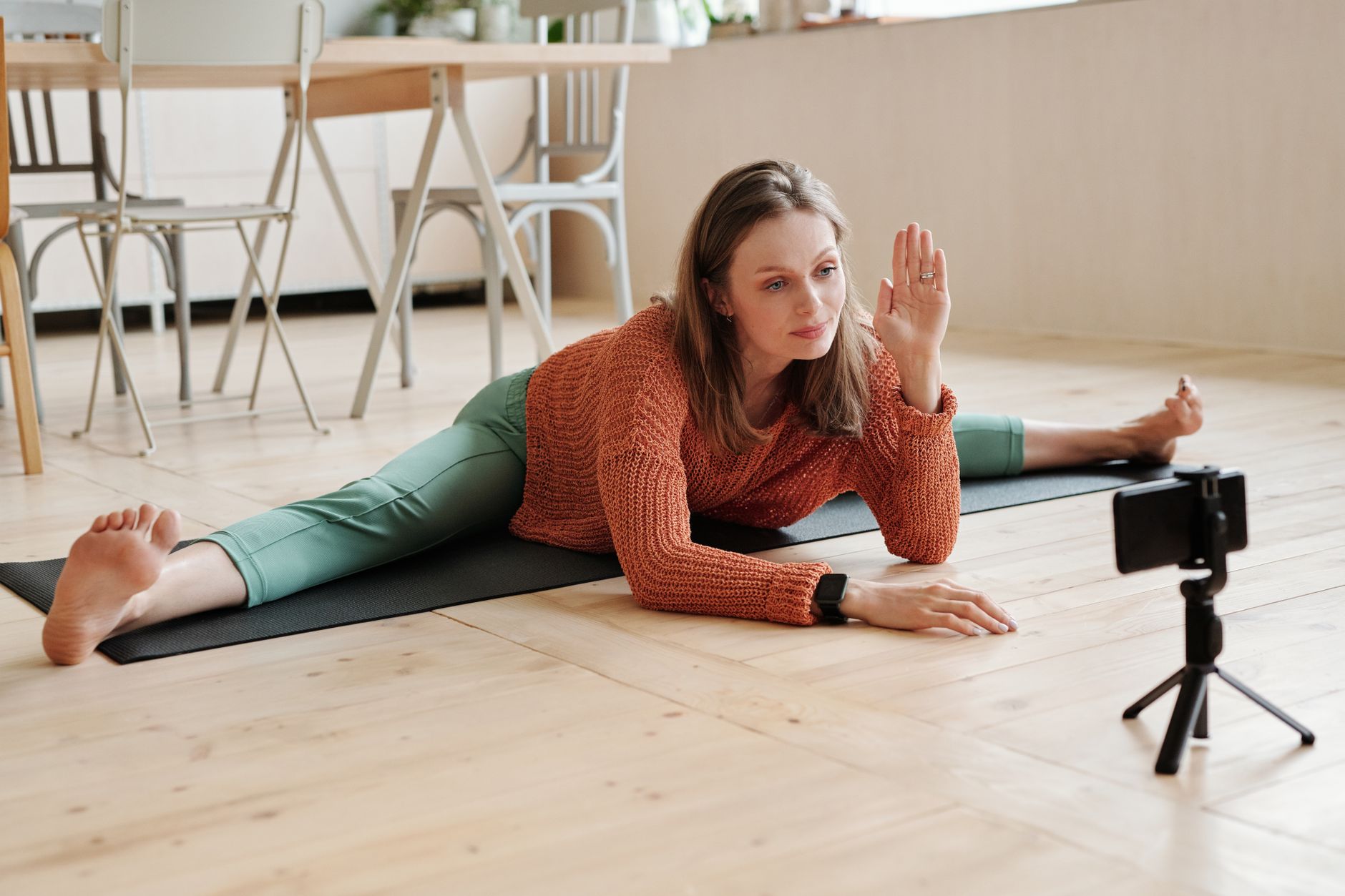
A smartphone on a tripod, natural light, and a lapel mic cost under $100 and produce professional‑grade footage. Use free editing tools (e.g., DaVinci Resolve) to add captions and branding.
Step 3: Upload to a hub and repurpose
Store videos in a private YouTube playlist or directly in Spur Fit. Then embed the same clip in Instagram Reels, TikTok, and your client portal. Repurposing maximizes reach with minimal effort.
Step 4: Track, tweak, repeat
After a month, review analytics. Which videos have the highest average watch time? Which calls‑to‑action (CTA) generate the most clicks? Adjust thumbnails, titles, or the length of your intro accordingly.
Common Pitfalls and How to Avoid Them
- 1Over‑producing
Spending days on fancy effects can delay delivery. Focus on clarity and consistency first.
- 2Ignoring captions
Many users watch without sound. Add subtitles to keep engagement high.
- 3Failing to brand
Include a logo or watermark so your content isn’t repurposed without credit.
Frequently Asked Questions
- No. A modern smartphone, a stable tripod, and good lighting are enough to produce high‑quality video. Focus on clear instruction and sound, then upgrade gradually.
- Aim for 30‑60 seconds per movement. That length is long enough to show setup, execution, and common cues, yet short enough to keep viewer attention.
- Absolutely. Video SEO works for new channels; focus on keyword‑rich titles, descriptive tags, and consistent posting to grow organically.
- Always obtain a signed media release. This protects your brand and ensures you can legally use the footage in marketing.
- Spur Fit automates video assembly: you select exercises, upload voice‑over scripts, and the platform generates a polished workout video ready for distribution.