
Ready to turn your scrolling followers into paying clients?
Short answer: In 2024, fitness coaches win by combining data‑driven SEO, hyper‑targeted social ads, automated email funnels, and AI‑powered content creation—while using tools like Spur Fit to streamline program delivery.
The digital landscape has shifted dramatically since the days of handing out flyers at the gym. Today, a potential client’s first interaction with your brand is almost always a screen—whether it’s a TikTok reel, a Google search, or an email inbox. If you’re not visible where they look, you’re invisible.
But visibility alone isn’t enough. Prospects expect personalized experiences, quick answers, and proof that you understand their unique goals. That expectation creates an opportunity: by mastering a handful of proven online marketing tactics, you can attract higher‑quality leads, nurture them automatically, and convert them at a rate that outpaces traditional word‑of‑mouth.
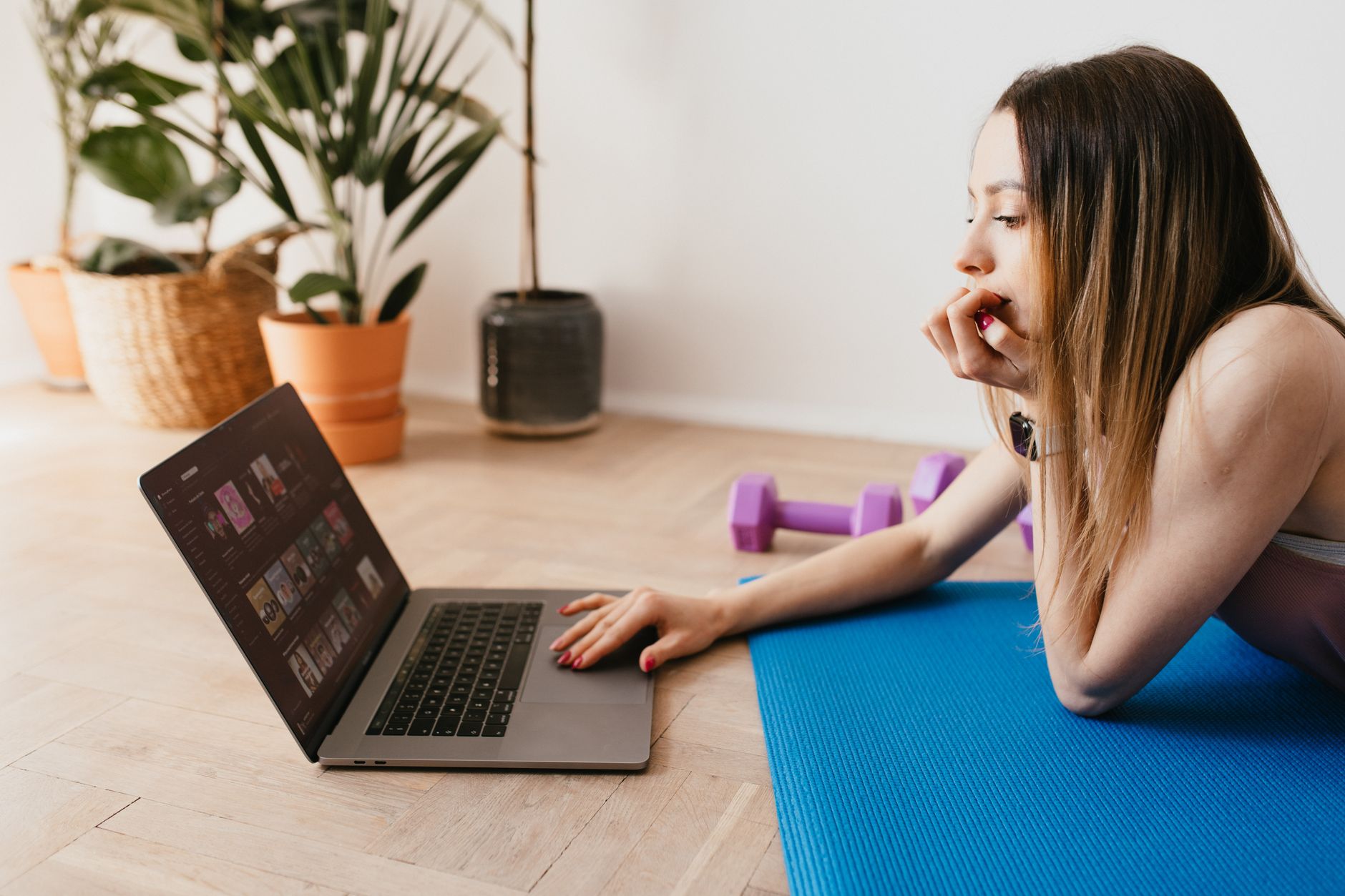
Why digital marketing is non‑negotiable for fitness professionals
Research shows that 79% of people start a fitness journey online, and 63% will choose a trainer whose website appears on the first page of Google. In practical terms, this means a strong online presence directly translates into more booked sessions and higher retention.
Digital channels also give you measurable data. Unlike a printed flyer, every click, view, and conversion can be tracked, allowing you to refine your strategy in real time. This feedback loop is essential for scaling a coaching business without burning out.
Core 2024 Marketing Strategies for Fitness Coaches
1. Search Engine Optimization (SEO)
SEO remains the most cost‑effective way to capture intent‑based traffic. Start with keyword research focused on long‑tail phrases such as “online strength program for busy moms” or “virtual HIIT for beginners.” Incorporate these terms naturally into page titles, meta descriptions, and header tags.
Technical basics matter: ensure your site loads under three seconds, uses HTTPS, and is mobile‑friendly. A fast, secure site not only pleases Google’s algorithm but also keeps prospective clients from bouncing.
2. Social Media Advertising
Organic reach on platforms like Instagram and Facebook has plateaued, making paid ads essential. Use the audience‑targeting tools to narrow by age, location, interests (e.g., “home workouts,” “nutrition coaching”), and even life events such as “new parent.”
Creative best practices for 2024:
- 1Short‑form video
Reels and TikTok clips that solve a single problem—like a 30‑second plank tutorial—generate the highest engagement rates.
- 2Carousel ads
Showcase a client’s transformation journey across multiple slides, ending with a clear call‑to‑action (CTA) to book a free discovery call.
3. Content Marketing + AI Assistance
High‑quality content positions you as an authority and fuels SEO. Blog posts, how‑to videos, and podcasts should answer the exact questions your ideal client is typing into Google. When resources are limited, leverage AI tools—such as Spur Fit’s content generator—to draft outlines, research statistics, and even produce script snippets for video.
Consistency beats perfection. Aim for one in‑depth piece per week and repurpose it across platforms: a blog becomes a LinkedIn article, a YouTube script, and a series of Instagram captions.
4. Email Nurture Funnels
Email remains the highest ROI channel for coaches. Capture leads with a freebie—like a 7‑day workout PDF created in Spur Fit—and automatically enroll them in a drip sequence that delivers value, showcases client success stories, and gradually introduces paid programs.
Key metrics to monitor: open rate (target 20%+), click‑through rate (CTR) (target 2‑3%), and conversion rate from email to booking (aim for 5%+).
5. Influencer Partnerships
Micro‑influencers (10k‑50k followers) often have higher engagement than mega‑stars. Identify influencers whose audience matches your niche and propose a value‑exchange—such as a free month of personalized programming via Spur Fit—in return for authentic reviews or joint live workouts.
Implementing the Strategies: A Step‑by‑Step Blueprint
Define Your Ideal Client Avatar
Before you launch any campaign, write a detailed profile: age, gender, occupation, pain points, and preferred digital hangouts. This avatar guides copy, creative, and channel selection.
Build a Conversion‑Optimized Website
Essential elements:
- Clear headline with your primary keyword (online personal training or virtual fitness coaching).
- Hero video or image that shows you in action.
- Social proof: before‑after photos, short testimonials, and a badge for “Powered by Spur Fit.”
- Prominent CTA button (“Book a Free Call”) above the fold.
Launch a Testable Paid Campaign
Start with a modest budget ($10‑$20 per day) and run two ad sets—one video, one carousel. Use A/B testing on headlines and CTAs. After 48‑72 hours, pause the underperforming ad and scale the winner.
Automate Email Follow‑Ups
Integrate your website form with an email service (e.g., MailerLite). Set up a three‑email sequence:
- Welcome + free resource.
- Educational content (e.g., “Why programming matters” – incorporate a Spur Fit demo).
- Limited‑time offer for a discounted onboarding session.
Measure, Refine, Repeat
Weekly, review three core dashboards:
Adjust keywords, ad creative, or email copy based on which metric lags.
Tools That Accelerate Your Workflow
Beyond advertising platforms, several SaaS solutions free up hours for coaching:
AI‑generated workout plans that sync with client data, reducing programming time by up to 50%.
Create on‑brand social graphics in minutes.
Automation‑friendly email service with tagging for segmented funnels.

Frequently Asked Questions
- Start with a modest daily spend ($10‑$20) to gather data, then allocate more to the ad sets that deliver the lowest cost‑per‑lead while maintaining a healthy click‑through rate.
- Not necessarily. Use dedicated landing pages optimized for each keyword (e.g., “online yoga for seniors”) to keep SEO focused while maintaining a single brand domain.
- AI tools like Spur Fit handle the heavy lifting of exercise selection and progression. You still add the personal narrative, motivation, and adjustments that only a human coach can provide.
- Aim for 3‑4 Instagram posts/reels per week and 5‑7 TikTok clips. Consistency beats volume; schedule content in batches using a social planner.
- Offer a high‑value, zero‑cost asset (e.g., a 7‑day workout calendar generated in Spur Fit) in exchange for an email address, and follow up with a soft‑sell sequence.