
Imagine a gym that works 24/7, even when you’re sleeping.
Short answer: A well‑structured video library lets fitness coaches automate routine instruction, keep clients engaged, and scale their business without sacrificing personal touch, ultimately freeing hours each week.
Running a coaching business means juggling program design, client communication, marketing, and admin work. Each minute spent answering the same basic question is a minute you can’t spend on high‑impact activities like refining your coaching methodology or acquiring new clients. A video library solves that bottleneck by delivering consistent, on‑demand content that clients can replay as often as they need.
Beyond time savings, a library creates a sense of professionalism. Clients perceive a coach with a polished library as an authority, which boosts retention and referrals. In an industry where personal connection is prized, a video library complements—rather than replaces—live sessions, offering a hybrid model that satisfies both busy professionals and motivated hobbyists.
What Exactly Is a Video Library?
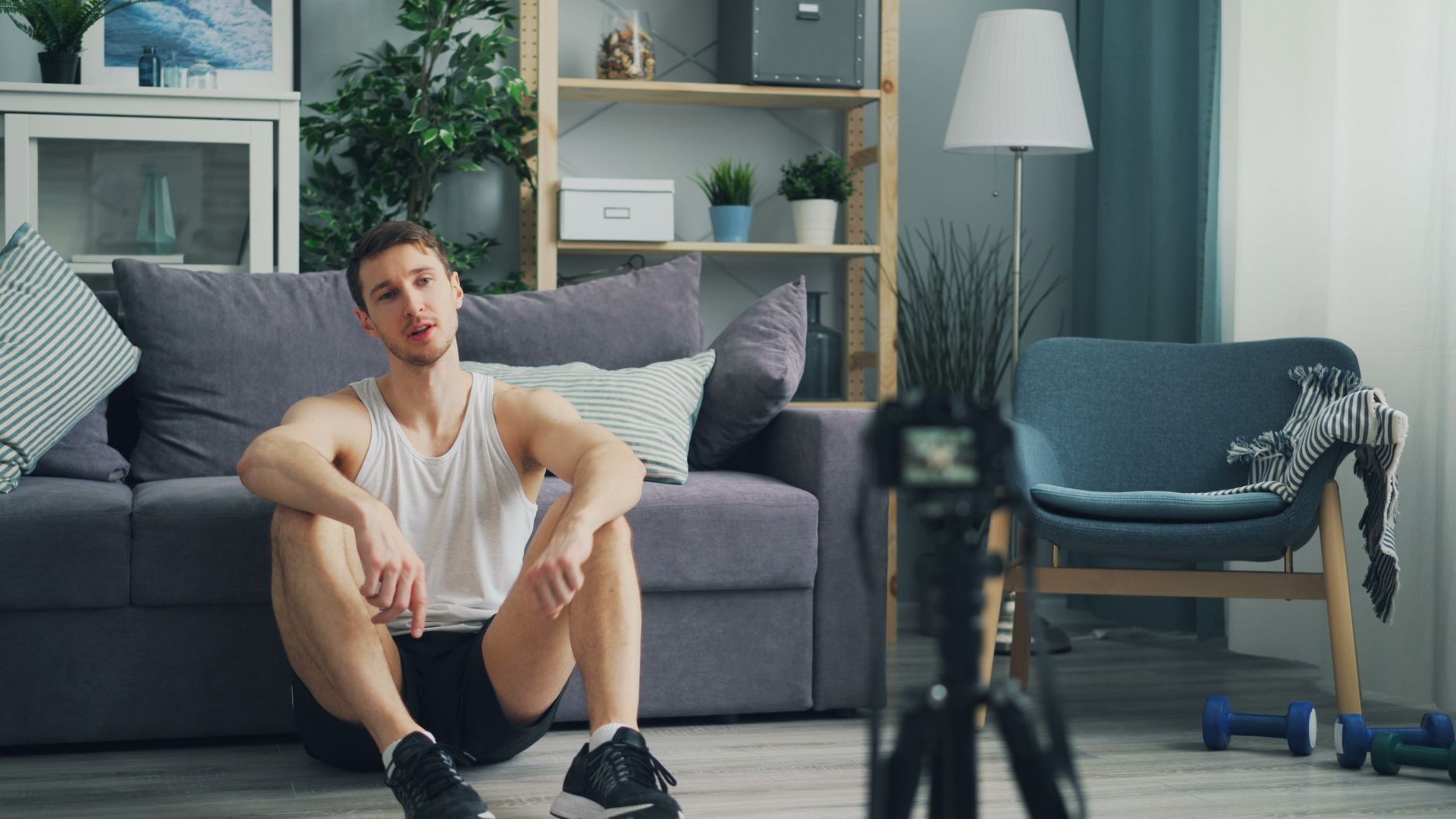
A video library is a curated collection of instructional and educational videos hosted on your coaching platform. It can include:
- Step‑by‑step movement demos
- Modifications for injuries or limited equipment
- Nutrition mini‑lessons
- Mindset and recovery tutorials
Clients access the library through their personal login, stream videos on any device, and bookmark favorites. The library lives inside your Spur Fit portal, so you retain full control over branding, permissions, and analytics.
Why a Video Library Is a Game‑Changer for Coaches
1. Reclaim Hours Every Week
Coaches report that repetitive queries about form, tempo, or equipment can consume 10‑15% of their weekly schedule. By pre‑recording answers, you shift those minutes to an evergreen resource. The result is more bandwidth for revenue‑generating tasks such as client acquisition, program refinement, or continuing education.
2. Elevate Client Satisfaction
When clients can watch a perfect demo before attempting a lift, confidence spikes and injury risk drops. Studies show that visual learning improves skill acquisition by up to 35% compared with text‑only instructions. A library also lets clients train on their own timetable, reducing missed sessions and fostering a sense of autonomy.
3. Expand Your Reach Beyond the Local Gym
Geography no longer limits you. A well‑indexed video library can attract remote clients, generate passive income, and position you as a thought leader in niche areas—like “post‑partum strength” or “mobility for desk workers.”
Designing a High‑Impact Video Library
Know Your Audience Deeply
Start with a client survey or intake form. Ask about:
- Primary fitness goals (strength, weight loss, mobility)
- Preferred workout length
- Equipment availability at home
- Learning style (visual, auditory, kinesthetic)
Tailor categories to these insights. For example, a “Quick 15‑Minute Home Circuit” section directly answers the need of busy professionals.
Invest in Production Quality (Without Breaking the Bank)
Professional‑grade video doesn’t require a Hollywood studio. Research shows that clear audio and stable framing improve comprehension by 22%. A mid‑range mirrorless camera, a shotgun microphone, and three‑point lighting are sufficient. Use a plain backdrop to keep focus on movement.
Structure for Easy Navigation
Clients should locate a video in under 10 seconds. Organize by:
- Goal (e.g., “Build Upper‑Body Strength”)
- Equipment (e.g., “Dumbbell Only”)
- Duration (e.g., “5‑Minute Warm‑Up”)
Spur Fit’s tagging system lets you apply multiple tags per video, creating dynamic filters that adapt as you add new content.
Keep Content Fresh and Evidence‑Based
Fitness science evolves. Schedule quarterly reviews to retire outdated techniques and add new research‑backed modules. Citing peer‑reviewed studies in your video descriptions adds credibility and improves SEO.
Integrating the Library Into Your Coaching Workflow
Leverage Automation
Use Spur Fit’s automation to deliver a specific video after a client completes a milestone. For instance, after a client logs three consecutive squat sessions, automatically email the “Advanced Squat Mechanics” video. This creates a personalized learning path without manual effort.
Blend Live Sessions with On‑Demand Content
Start a live class with a brief warm‑up video, then transition to real‑time coaching. After the session, send a recap video that reinforces key cues. This hybrid model maximizes the value of both formats.
Track Engagement Metrics
Spur Fit provides analytics on watch time, drop‑off points, and repeat views. Identify videos with high abandonment rates and refine them—perhaps the pacing is too fast or the lighting is suboptimal. Data‑driven tweaks continuously improve the library’s effectiveness.
Common Pitfalls and How to Avoid Them
- 1Overloading the Library
Uploading every workout you ever create leads to analysis paralysis. Curate a core set of evergreen videos and rotate seasonal content.
- 2Neglecting Accessibility
Include subtitles and descriptive audio for clients with hearing or visual challenges. This also boosts SEO.
- 3Inconsistent Branding
Use the same intro/outro graphics, color palette, and tone of voice across all videos to reinforce your brand identity.
Frequently Asked Questions
- Start with 8‑12 core videos covering warm‑up, main lifts, mobility, and recovery. This provides enough variety without overwhelming new clients.
- No. A clean space, good lighting, and clear audio are sufficient. Consistency matters more than cinematic production.
- Yes. Spur Fit lets you set tiered access levels, so you can offer a premium “All‑Access” package alongside standard coaching plans.
- Aim for a quarterly refresh. Add new exercises, replace outdated cues, and incorporate fresh research to keep the library relevant.
- Create equipment‑filter tags (e.g., “No Equipment,” “Resistance Bands”) so clients can instantly find suitable workouts.